Understanding Ayurveda Consultation
The Fundamentals of Ayurveda
Ayurveda, an ancient system of medicine that originated in India over 5,000 years ago, emphasizes balance in the body, mind, and spirit. Its core principle lies in the concept of ‘doshas,’ which are the foundational energies believed to govern physical and mental processes. The three primary doshas are Vata (air and ether), Pitta (fire and water), and Kapha (earth and water). Each individual possesses a unique combination of these doshas, predominating in distinct ways that influence personality, health, and predispositions to various ailments.
The objective of Ayurveda is to achieve optimal health and prevent disease through the restoration of balance. Central to this process is an Ayurveda Consultation, where practitioners assess an individual’s unique constitution (Prakriti) and current state (Vikriti) to offer tailored lifestyle, dietary, and therapeutic recommendations.
The Importance of Personalization
Unlike conventional medicine, which often targets specific symptoms and diseases, Ayurveda takes a holistic approach that recognizes individual variability. This personalization is key to effective treatment. Through a thorough assessment of not just physical health, but also emotional well-being and lifestyle factors, Ayurveda practitioners can pinpoint the root causes of imbalances. Each consultation provides a unique blueprint for achieving health, which is essential for long-term wellness.
The initial consultation may include a detailed inquiry into personal history, dietary habits, emotional health, and environmental factors, ensuring that every aspect of a patient’s life is considered. Personalized care enables practitioners to create a highly relevant and sustainable path toward health.
Common Practices in Ayurveda Consultation
During an Ayurveda Consultation, practitioners often employ a range of techniques to diagnose and assess a client’s health. Common methods include:
- Nadi Pariksha: This process involves pulse diagnosis to evaluate the doshas and identify imbalances.
- Darshan: The practitioner observes physical attributes and gestures that provide insights into health.
- Prashna: This technique involves asking specific questions to uncover hidden health challenges and lifestyle factors.
- Detailed Consultation: A thorough discussion about the individual’s diet, lifestyle, stress levels, and daily activities.
These practices cultivate a comprehensive understanding of a patient’s current health status, assisting practitioners in crafting personalized treatment strategies that may incorporate lifestyle adjustments, dietary changes, herbal remedies, and stress reduction techniques.
Benefits of Ayurveda Consultation
Holistic Health Toward Wellness
One of the primary benefits of engaging in an Ayurveda Consultation is the promotion of holistic health, encompassing physical, mental, and emotional well-being. Ayurveda encourages individuals to adopt practices that not only address current health issues but also foster a greater sense of harmony within themselves. This wholeness promotes overall vitality and enables individuals to thrive rather than simply survive.
Practitioners often guide clients toward deepening their self-awareness, leading to healthier lifestyle choices that create resilience against stressors and diseases. By focusing on preventive care, Ayurveda consultations help build a foundation for long-lasting wellness, coercing individuals to engage in their health actively.
Addressing Specific Health Concerns
Ayurveda is well-regarded for tailor-fit solutions targeting various health issues ranging from chronic ailments like diabetes, arthritis, and digestive issues to mental health challenges such as anxiety and depression. During an Ayurveda Consultation, practitioners assess the unique manifestation of an illness in conjunction with the individual’s constitution, allowing for precise interventions.
For instance, someone suffering from inflammation may receive a different herbal remedy and dietary suggestions than a person whose constitution leans more towards Kapha, whose condition might be managed with invigorating practices. This nuanced approach ensures that solutions are not only effective but respectful of the individual’s overall balance.
Long-Term Wellness Strategies
Beyond immediate relief, an Ayurveda Consultation unfolds a roadmap for long-term wellness. Practitioners often educate clients about sustainable lifestyle choices that incorporate seasonal changes, dietary guidelines based on their dosha, and daily routines (Dinacharya) that include physical activity, meditation, and mindfulness teachings.
Creating long-term strategies instills a sense of ownership over one’s health journey, encouraging patients to cultivate habits that contribute positively to their physical and mental state. Simple practices, such as enhancing breakfast with warm spices or engaging in mindful breathing exercises, can lead to profound changes over time.
Preparing for Your Ayurveda Consultation
What to Expect During Your Session
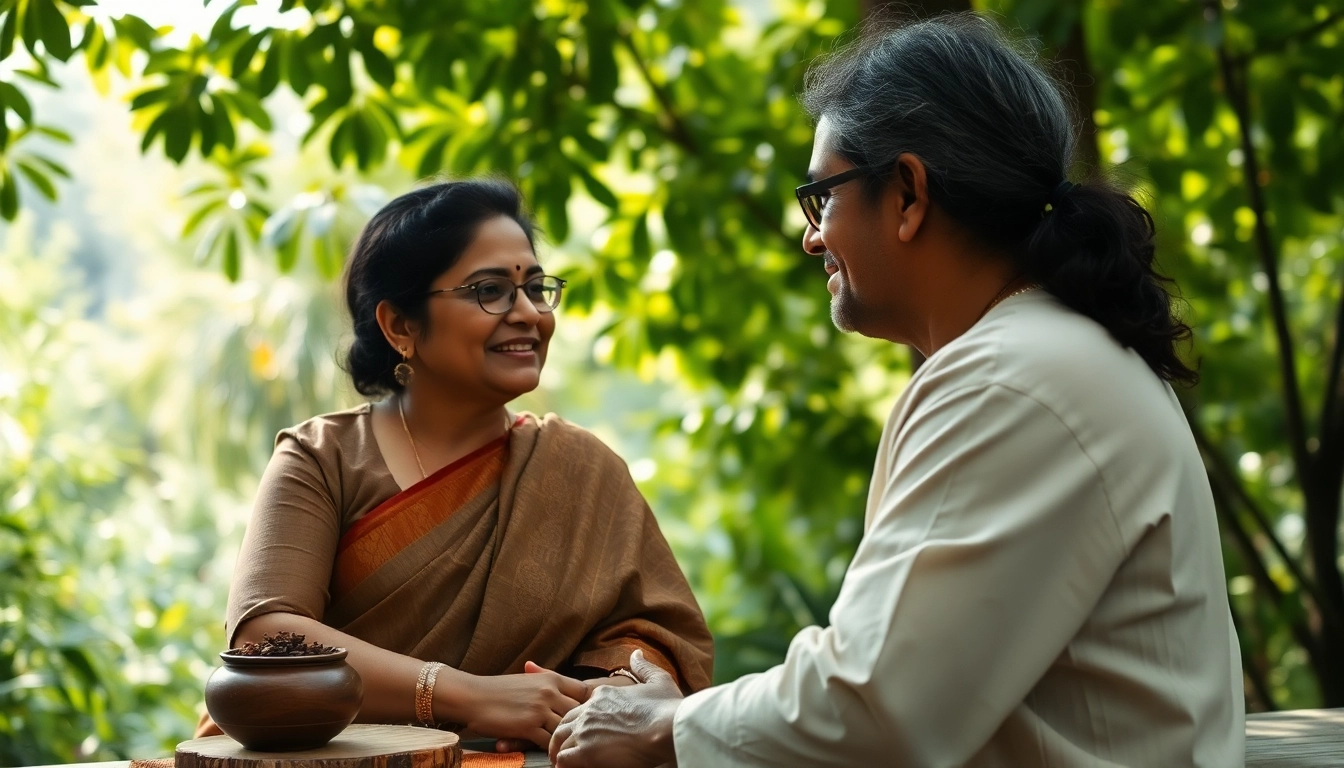
Preparing for your Ayurveda Consultation can set the stage for a fruitful experience. Expect a welcoming atmosphere where the focus is on understanding your unique lifestyle and health concerns. Typical sessions may last anywhere from 60 to 90 minutes, allowing ample time for comprehensive assessment and discussion.
The consultant will likely conduct pulse diagnosis, discuss your health history, and ask about your daily routine and emotional health. Being open and honest will significantly influence the outcome and effectiveness of the consultation.
Questions to Ask Your Practitioner
Having a set of questions prepared can enhance your Ayurveda Consultation experience. Consider inquiring about:
- The specific doshas identified during your assessment.
- Personalized dietary recommendations based on your current health.
- Suggested herbal remedies and their expected effects.
- Practical lifestyle changes compatible with your daily life.
- Long-term wellness goals and how to achieve them.
Clarifying your expectations and seeking holistic answers allows for a more interactive and productive consultation.
Documenting Your Health Journey
Maintaining a journal of your health journey following your Ayurveda Consultation can be an invaluable tool. Document daily meals, any prescribed herbs, feelings, and symptoms, alongside lifestyle adjustments. This log not only aids in tracking progress but also helps identify patterns in your health, allowing for informed discussions in future consultations.
Moreover, as Ayurveda emphasizes the importance of self-care and self-awareness, this documentation can deepen your appreciation of the journey toward a balanced life.
Integrating Ayurveda into Daily Life
Simple Practices for Everyday Wellness
Incorporating Ayurvedic principles into daily life does not have to be daunting. There are simple practices that can redefine your approach to wellness:
- Morning Rituals: Start your day with a glass of warm water and lemon to aid digestion.
- Breathing Exercises: Engage in pranayama (breath control) to enhance mental focus and stress relief.
- Herbal Teas: Sip on herbal teas based on your dosha and seasonal needs to maintain balance.
These practices are manageable and can be seamlessly incorporated into even the busiest routines, fostering sustainable wellness.
Nutrition and Lifestyle Recommendations
Nutrition plays a pivotal role in Ayurvedic practices. Based on your dosha, specific food types can either enhance or mitigate your overall health. For example, Vata individuals might benefit from warmer, steamy meals that help balance their tendency toward dryness. In contrast, Pitta types may thrive on cooling foods that alleviate heat-related imbalances.
Your practitioner will likely recommend a diet rich in whole foods, with mindfulness incorporated in meal preparation and consumption, enhancing the digestive experience.
Creating a Balanced Daily Routine
A balanced daily routine aligned with Ayurvedic principles is critical for sustaining wellness. This encompasses time management, sleep hygiene, and maintaining an emotional balance. By setting regular sleep schedules, eating meals at consistent times, and carving out time for physical activity and mindfulness practices, one can crystallize the foundation of good health.
Emphasizing consistency leads to positive physiological responses, creating a stable environment for mental clarity and proactive well-being.
Common Misconceptions about Ayurveda
Debunking Myths Surrounding Ayurveda Consultation
Despite Ayurveda’s resurgence in popularity, several myths persist. One common misconception is that Ayurveda is merely an alternative remedy for fringe health issues. In reality, Ayurveda is grounded in comprehensive medical philosophy and has a rich historical tradition aiming for holistic health. Ayurveda practitioners may also blend traditional practices with modern techniques to offer a balanced and effective therapeutic approach.
The Science Behind Ayurvedic Practices
Emerging studies support many Ayurvedic practices, validating principles like personalized medicine and prevention. Various components of Ayurveda, such as diet and lifestyle modifications, are continuously being examined in clinical research, showcasing their effectiveness in promoting health and preventing disease.
The scientific examination of these practices helps bridge gaps, making Ayurveda more acceptable to mainstream audiences by aligning it more closely with evidence-based approaches.
How Ayurveda Complements Modern Medicine
Far from being in opposition to modern medicine, Ayurveda complements it beautifully. While conventional medicine often focuses on treating disease, Ayurveda fosters an understanding of health that emphasizes prevention and wellness. Consulting with an Ayurveda practitioner can support individuals undergoing conventional treatments, providing supportive care that addresses both the mind and body, reducing the side effects and enhancing overall treatment outcomes.
FAQs
What should I expect during an Ayurveda Consultation?
During a consultation, you’ll discuss your health history and lifestyle, allowing the practitioner to provide personalized recommendations.
How is Ayurveda different from conventional medicine?
Ayurveda focuses on holistic balance and prevention, addressing root causes, while conventional medicine often targets specific symptoms.
Can I receive an Ayurveda Consultation online?
Yes, many practitioners offer virtual consultations, making Ayurveda accessible from your home for convenience.
How do I prepare for my Ayurveda Consultation?
Be ready to share your health history, current concerns, and be open to lifestyle change recommendations for better outcomes.
What are the common treatments used in Ayurveda?
Treatments may include herbal remedies, dietary suggestions, and lifestyle changes adjusted to your unique dosha.