
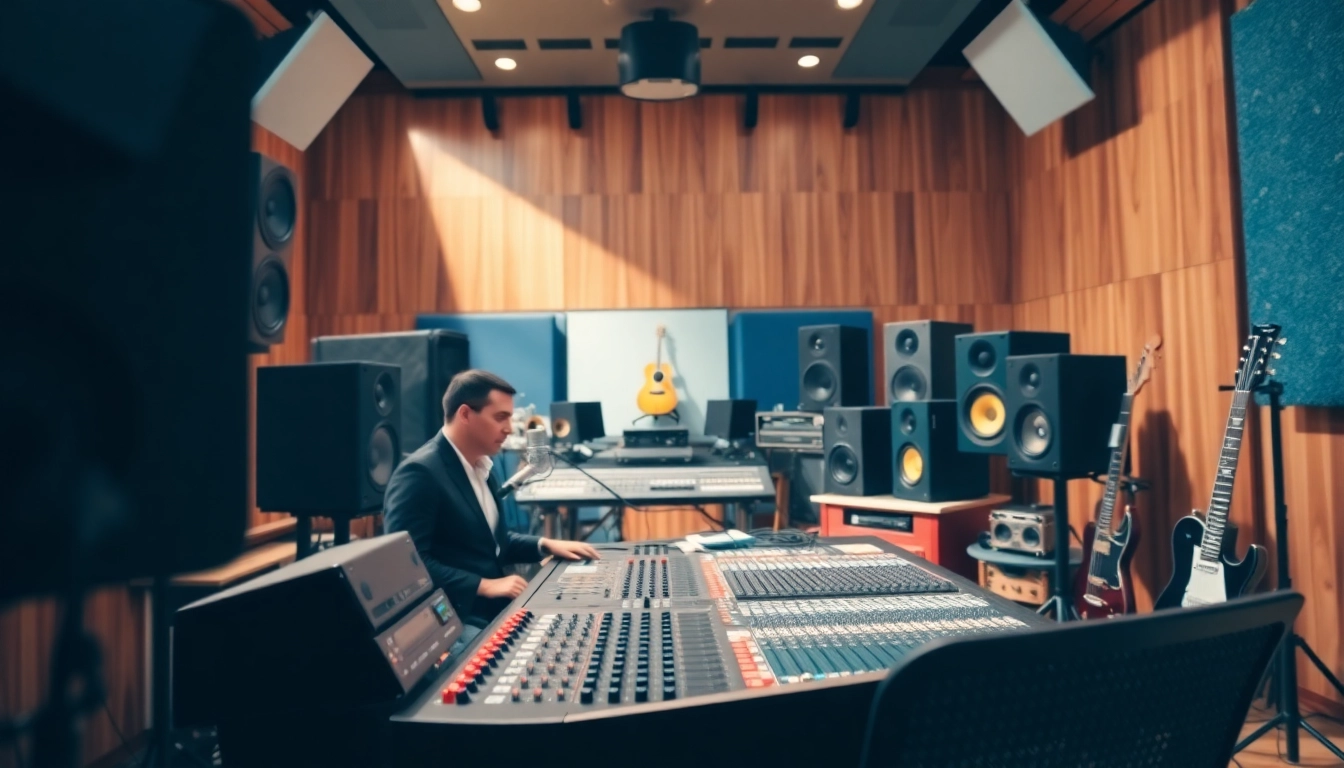
Understanding Online Mastering Services
What Are Online Mastering Services?
Online mastering services represent a modern solution for musicians, producers, and audio engineers looking to refine their music tracks. These services provide professional mastering techniques remotely, allowing clients to upload their audio files and receive high-quality mixed tracks, polished to industry standards. By leveraging technology, these platforms make mastering accessible to a wider range of artists, enhancing sound quality without the need for expensive studio time. The convenience and affordability associated with online mastering services have revolutionized the music production landscape.
Benefits of Using Online Mastering Services
The benefits of embracing online mastering services are numerous and impactful for artists at all levels. Key advantages include:
- Cost-Effectiveness: Unlike traditional mastering studios, online mastering services often come at lower prices, enabling independent artists to keep their budgets intact.
- Accessibility: Musicians can access these services from anywhere in the world, providing greater flexibility in the production process.
- Speed: Most online platforms deliver mastered tracks within a few days, allowing musicians to quickly iterate and release their music.
- User-Friendly Interfaces: Many services come with intuitive platforms that guide users through the mastering process, often requiring less technical expertise.
- Increased Variety: These services often offer different styles of mastering, accommodating various genres and artistic preferences.
How Online Mastering Works
The process of online mastering typically begins with the artist or producer uploading their audio files to a mastering platform. This step may involve creating an account, selecting a mastering service, and following specific guidelines about file formats and track quality. Once uploaded, audio engineers on the service’s side take over, employing advanced techniques such as equalization, compression, and limiting to enhance the track’s overall sound. In many cases, clients can provide specific instructions for how they envision the sound, ensuring a tailored approach. The engineered track is then returned to the client within a stipulated timeframe, often with the opportunity for revisions based on feedback.
Choosing the Right Online Mastering Service
Key Features to Look For
When selecting an online mastering service, it’s crucial to consider several features to ensure the best fit for your needs:
- Quality Standards: Look for services that showcase examples of their previous work. Quality should be the top priority.
- Turnaround Time: Different services have varied turnaround times; ensure they align with your project deadlines.
- User Reviews: Genuine user feedback can provide insight into the service’s reliability and quality.
- Communication Options: Check whether the service allows for easy communication and feedback, essential for artistic collaboration.
- Pricing Transparency: Ensure that the pricing model is clear, with no hidden fees or charges.
Evaluating Service Reviews
One of the best ways to gauge the effectiveness of an online mastering service is through user reviews. Look for platforms where users can leave feedback, such as forums and dedicated review sites. Pay attention to common themes—positive reviews may highlight quality and timely delivery, whereas negative ones might point to customer service issues or lack of responsiveness. Additionally, consider both high and low ratings to get a balanced perspective on the service’s strengths and weaknesses.
Comparing Pricing Models
Online mastering services come in various pricing tiers, often reflecting the quality and complexity of services offered. Generally, you might encounter models such as:
- Pay-Per-Track: A straightforward option where you pay for each individual track mastered.
- Subscription Services: Some platforms offer subscriptions, giving you access to multiple mastered tracks over a set time, ideal for frequent users.
- Tiered Services: Many services present different tiers that provide varying levels of mastering quality or additional features, such as deeper revisions or specific genre expertise.
Analyzing these pricing models helps ensure you receive value for money while meeting your project needs.
How to Prepare Your Tracks for Mastering
Checklist for Preparing Audio Files
To facilitate a smooth mastering process and achieve optimal results, it’s essential to prepare your audio files properly. Follow this checklist:
- Ensure the audio is mixed down to a single stereo track.
- Maintain headroom, ideally aiming for peaks at about -6 dB to prevent clipping.
- Export in a high-quality format (WAV, AIFF) with at least 24-bit depth.
- Avoid any unnecessary dynamics processing that could limit the mastering engineer’s options.
- Provide notes concerning the style and sound you want to achieve in the mastering phase.
Common Mistakes to Avoid
Every mastering project may face challenges; being aware of common pitfalls can streamline the process:
- Over-Compression: Avoid excessively compressing tracks during mixing; leave enough dynamics for the mastering engineer to work with.
- Neglecting Mix Quality: If the mix isn’t good, mastering won’t fix it. Invest time in refining your mix prior to sending it off.
- Ignoring Specifications: Failing to adhere to specific file formats can lead to delays or issues in the mastering process.
Tips for Quality Assurance
Quality assurance is essential in mastering. Here are some tips to ensure top-notch results:
- Listen to your mixed track on various devices (earphones, speakers, etc.) to gauge sound quality and consistency.
- Ensure you are hearing the track in an acoustically treated environment, reducing the chances of errors in judgement.
- Request demo masters or previews whenever possible to evaluate the service before committing fully.
Maximizing Results from Online Mastering Services
Understanding Mastering Formats
Mastering formats refer to the end-products you’ll require for your music. Understanding these formats is crucial for distribution and streaming. Common formats include:
- Digital Formats: Such as WAV and AIFF for high-quality downloads, as well as MP3 for streaming.
- Vinyl Mastering: This requires additional steps to ensure the sound is preserved on the analog medium.
- CD Mastering: Specific formatting and track spacing guidelines used for CD production.
Specify your required formats during the mastering process to ensure compatibility with your intended distribution channels.
Communicating Your Vision Effectively
Effective communication is vital for achieving the desired sound. When using online mastering services:
- Provide clear references to similar sounds or tracks that embody your vision.
- Detail any specific aspects you want to emphasize or carve out within your track.
- Be open about your genre influences and any production techniques that should be highlighted.
Revising and Providing Feedback
Once you receive your mastered track, it’s time to review and provide feedback:
- Listen critically and identify any changes that might be necessary, such as volume levels or added effects.
- Keep notes on aspects you love, as well as anything that doesn’t align with your vision.
- Engage in a dialogue with the mastering engineer to collaborate effectively on revisions.
Measuring the Impact of Mastering on Your Music
Assessing Sound Quality Post-Mastering
Once mastering is complete, assessing the sound quality is essential:
- Compare the mastered track to your original mix to identify improvements in clarity, balance, and overall impact.
- Listen on different playback systems to ensure the sound quality translates well across mediums.
Gathering Audience Feedback
Gathering feedback from your audience is invaluable post-release. Focus on:
- Engaging fans through social media or concerts to discuss their thoughts on the sound quality.
- Utilizing surveys or interactive platforms to capture detailed feedback.
Using Metrics to Track Success
Utilizing metrics to analyze the performance of your tracks post-mastering can help you gauge success:
- Monitor streaming numbers and download rates to assess the audience’s engagement with your music.
- Examine social media interactions and feedback to measure how well your sound resonates with listeners.
- Track reviews and ratings on various music platforms for insights into how your music is perceived.
Frequently Asked Questions
1. How long does online mastering take?
Online mastering typically takes anywhere from a few hours to a couple of days, depending on the service and complexity of the track.
2. Can I communicate with the mastering engineer?
Most services provide options to communicate with engineers, allowing you to share your vision and receive feedback.
3. What file formats should I use for mastering?
WAV or AIFF files at 24-bit depth are recommended, ensuring high quality during the mastering process.
4. How do I know if my mix is ready for mastering?
Your mix should have a balanced sound with adequate headroom, typically leaving peaks around -6 dB to avoid clipping.
5. Can I request revisions after mastering?
Yes! Most online mastering services allow for revisions based on your feedback to achieve the desired sound.


