
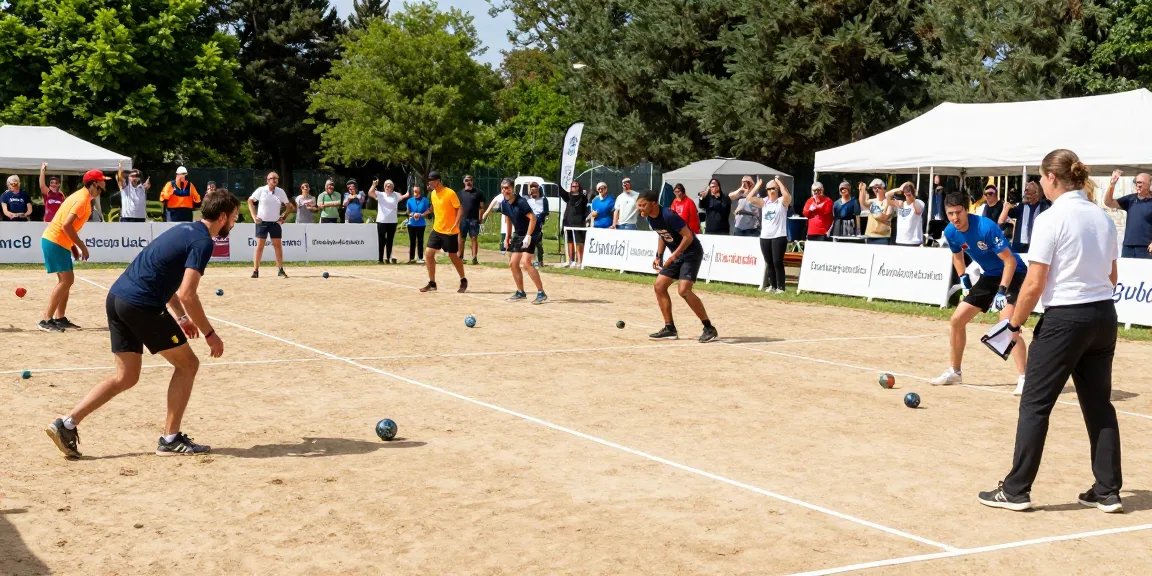
Understanding the Basics of Petanque
Petanque, a game with origins deeply rooted in France, has gained popularity across the globe and is now making waves in Indonesia, particularly in the city of Balikpapan. This engaging sport combines skill, strategy, and social interaction, making it accessible to people of all ages. It is crucial for beginners to understand the fundamentals of petanque, including its history, rules, and equipment, so they can develop their skills and fully enjoy the game. For detailed insights and resources on this sport, you can explore fopikotabalikpap.org.
What is Petanque?
Petanque is a precision ball game where players aim to throw metal balls as close as possible to a small wooden ball called the cochonnet. Originating in the Provence region of France, its simplicity and social aspect have broad appeal, and it is often played casually in parks or at social gatherings. Players can enjoy petanque in singles or teams, making it a versatile sport that encourages camaraderie.
History and Evolution of Petanque in Indonesia
The introduction of petanque in Indonesia traces back to the influx of French expatriates in the late 20th century. These expatriates established recreational facilities at hotels such as the Hotel Horizon Ancol and Novotel Bali, providing the infrastructure for locals to engage with the sport. Notably, Eddie Lim from Singapore is one of the first to introduce petanque to Southeast Asia after learning the game in Jakarta during the 1990s. Over the years, the sport gained traction, leading to the establishment of the Federasi Olahraga Petanque Indonesia (FOPI) in 2011, which aimed to cultivate local talent and promote the sport at a national level.
Key Rules and Equipment for Beginners
- Equipment: The essential equipment for petanque includes metal balls (boules) and a cochonnet (the target ball). Boules come in various weights and sizes, which players can choose based on their preferences.
- Basic Rules: The game starts with a team throwing the cochonnet, followed by players taking turns tossing or rolling their boules to get as close to the cochonnet as possible.
- Scoring: Points are awarded to the team with the closest boule to the cochonnet at the end of each round.
Getting Started with Petanque
Essential Gear for New Players
Having the right gear is crucial for anyone starting in petanque. While the game can be played with rental equipment at clubs, investing in your own set of boules can enhance your playing experience. New players often prefer lightweight boules that are easier to handle, especially when beginning.
Basic Techniques for Accurate Throws
To excel in petanque, mastering throwing techniques is essential. Beginners should focus on the following:
- Grip: Hold the boule firmly but not too tightly to maintain control.
- Stance: Stand with feet shoulder-width apart for balance.
- Throwing Technique: Utilize a smooth, pendulum-like swing for accuracy.
Finding Local Clubs and Communities
Engaging with local petanque clubs is a fantastic way for newcomers to learn and enjoy the sport. These clubs often provide training sessions, tournaments, and a welcoming environment for players of all skill levels. In Balikpapan, the FOPI Kota Balikpapan is a great start to finding a community dedicated to the sport.
Strategies for Competitive Play
Advanced Techniques for Gaining an Edge
Once players have a grasp of the basics, they can delve into advanced strategies to gain competitive advantages. Some effective techniques include:
- Targeted Throws: Learn to throw with precision, aiming not just for the cochonnet but also for the opponent’s boules.
- Positioning: Control the playing area by positioning your boules strategically.
Psychological Tactics in Petanque Matches
Mental strength can significantly influence outcomes in competitive petanque. Players should develop resilience and learn to read their opponents to anticipate their moves. Staying calm and focused during matches can also help in making better decisions.
Analyzing Opponents’ Strategies
Familiarizing oneself with various playing styles can provide insights into opponents’ strategies. Observing their throwing patterns and preferred placements can inform adjustments in your own gameplay, facilitating more effective counters.
Participating in Tournaments and Events
How to Register for Local Tournaments
Participation in petanque tournaments is an exciting way to test your skills. Players interested in competing should check local club announcements or the FOPI Kota Balikpapan website for upcoming events and registration details.
Preparing for Competitive Play: Training Tips
Training is essential for success in competitive petanque. Players should focus on:
- Regular Practice: Consistent practice helps in honing skills and building muscle memory.
- Mock Matches: Engaging in practice matches against peers can simulate tournament conditions.
Understanding Tournament Formats and Scoring
Familiarity with tournament formats and scoring systems is vital. Most tournaments follow a long or short form, with specific scoring rules. Understanding how matches are conducted and scored can help players strategize effectively during competitions.
The Future of Petanque in Indonesia
Emerging Trends in the Petanque Community
As petanque grows in popularity in Indonesia, several trends are emerging. Increased participation among youth and the incorporation of technology, such as apps for tournament management, are encouraging wider engagement and organization within the community.
How Technology is Influencing the Sport
Technology is playing a transformative role in petanque, from digital scoring systems to advanced training equipment that enhances players’ techniques. Social media platforms are also vital in promoting events and connecting players across regions.
Opportunities for Youth Engagement and Development
Youth engagement is crucial for the sustainability of petanque in Indonesia. Schools and local clubs are encouraged to introduce petanque programs, providing young people with opportunities to learn and grow within the sport. Such initiatives can foster talent and increase participation in competitive events.
What are the basic rules of petanque?
The basic rules include throwing boules to get as close as possible to the cochonnet, scoring points based on the proximity of the boules to the target after each round.
How can I improve my petanque skills quickly?
Improving can come from practice, engaging with experienced players, and focusing on your throwing technique and strategy.
What equipment do I need to start playing petanque?
To start, you will need a set of boules and a cochonnet, which can often be rented or purchased for personal use.
Where can I find petanque tournaments in my area?
Local clubs, like FOPI Kota Balikpapan, frequently hold tournaments. Keeping an eye on their announcements will keep you informed.
What are the health benefits of playing petanque?
Playing petanque provides physical benefits such as improved coordination and balance, alongside social benefits from engaging with the community.