
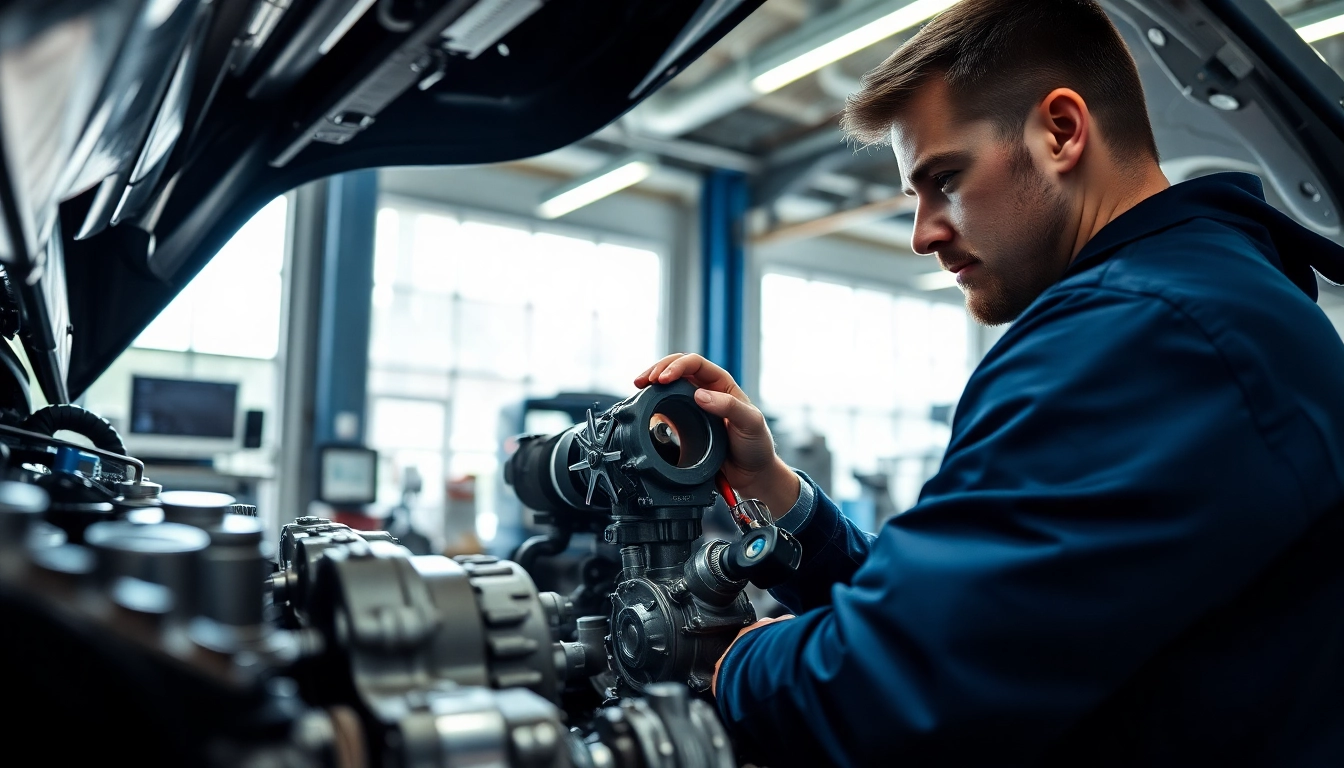
Understanding the Powertrain Extended Warranty
What is a Powertrain Extended Warranty?
A powertrain extended warranty is a service contract designed to cover specific components of a vehicle’s powertrain, which includes the engine, transmission, and drivetrain. This type of warranty is often an extension of the original manufacturer’s warranty, providing protection against costly repairs after the factory warranty expires. By investing in a powertrain extended warranty, vehicle owners can limit their financial risk associated with unforeseen mechanical failures.
Key Components Covered in a Powertrain Extended Warranty
Understanding what a powertrain extended warranty typically covers is crucial for potential buyers. Here are the primary components generally included:
- Engine: Coverage typically includes major engine parts such as the cylinder block, cylinder heads, pistons, and timing chains.
- Transmission: This includes the transmission assembly, torque converters, and internal parts.
- Drivetrain: Components associated with the driveshaft, axles, and transfer case are usually included.
Some extensions might also cover components like seals and gaskets related to these primary areas, which can result in significant cost savings for vehicle owners.
Benefits of Having a Powertrain Extended Warranty
The benefits of having a powertrain extended warranty are multi-faceted and significantly contribute to a vehicle owner’s peace of mind:
- Financial Protection: Major repairs can be incredibly expensive. A warranty helps reduce the financial burden, making maintenance more manageable.
- Increased Resale Value: A vehicle with a transferable extended warranty can be more appealing to potential buyers.
- Comprehensive Coverage: Unlike limited warranties, which might only cover certain components, powertrain extended warranties often cover a broader range of items related to the powertrain.
Overall, these warranties serve as a safety net for unexpected issues, ensuring that vehicle owners can navigate repairs without undue stress.
Picking the Right Powertrain Extended Warranty
Evaluating Warranty Providers for Powertrain Coverage
Choosing the right provider for your powertrain extended warranty can be as important as selecting the warranty itself. When evaluating providers, consider the following:
- Reputation: Research customer reviews and ratings to gauge provider reliability and service quality.
- Claims Process: Understand the process for filing claims. A straightforward, user-friendly claims process can save time and frustration.
- Coverage Options: Ensure that the warranty includes comprehensive options that fit your vehicle’s needs.
- Exclusions: Read the fine print to know what’s not covered. Some providers may have significant exclusions that could affect the value of the warranty.
Factors Affecting Powertrain Extended Warranty Costs
The cost of a powertrain extended warranty can vary widely based on several factors:
- Vehicle Make and Model: Luxury cars tend to have higher warranty costs due to more expensive repairs and parts.
- Warranty Duration and Mileage: Longer coverage periods or higher mileage limits generally lead to increased costs.
- Provider Reputation: Established companies may charge more, but they often offer better coverage and service.
- Geography: Location can influence costs, with urban areas typically having higher rates due to increased repair costs.
It’s essential to get multiple quotes and evaluate the coverage offered to ensure you’re getting the best deal for your specific situation.
How to Compare Powertrain Extended Warranties
When it comes to comparing powertrain extended warranties, make sure to keep a structured approach:
- List Key Components: Identify the components that matter most for your specific vehicle. Make a checklist of what each warranty covers.
- Assess Costs: Compare the total costs of each warranty, including deductibles for potential claims.
- Review Terms and Conditions: Look into terms regarding renewals, transfers, and cancellations to ensure flexibility.
- Contact Customer Support: Before making a decision, engage with customer service to test their responsiveness and knowledge.
By systematically comparing these aspects, you’ll be better positioned to select a warranty that meets your needs and budget.
Common Misconceptions about Powertrain Extended Warranties
Myth: Powertrain Extended Warranties are Unnecessary
Many vehicle owners believe that extended warranties are unnecessary, especially for relatively new cars. However, the reality is that mechanical failures can happen at any time, regardless of a car’s age. Statistics show that a significant percentage of vehicles face major repair issues as they age. Thus, as an investment in peace of mind, powertrain extended warranties can be quite valuable, especially for cars that might exceed warranty limits sooner rather than later.
Myth: All Powertrain Warranties are the Same
Not all powertrain warranties provide identical coverage. Each provider may have different terms, exclusions, and coverage limits. It’s essential to compare different warranties thoroughly and to understand what unique features each offers to match your vehicle’s needs.
Myth: Only Brand-New Cars Qualify for Powertrain Extended Warranties
Another common misconception is that only brand-new vehicles are eligible for powertrain extended warranties. In reality, many providers offer plans to vehicles that are a few years old, and some even allow the purchase of warranties on high-mileage cars. Timing and condition play a crucial role in eligibility and pricing, making it essential to explore all options if you have an older vehicle.
Making the Most of Your Powertrain Extended Warranty
How to File a Claim on Your Powertrain Extended Warranty
Filing a claim on your powertrain extended warranty doesn’t need to be overwhelming. To streamline the process:
- Gather Documentation: Collect all relevant documents, including your warranty contract and maintenance records, to prove compliance with warranty terms.
- Contact Your Provider: Reach out to the warranty provider’s claims department for specific filing instructions.
- Follow Instructions Carefully: Ensure you adhere to all steps outlined by the warranty provider to avoid delays in processing your claim.
By following these guidelines, you can effectively navigate the claims process and minimize any potential headaches.
Tips for Maintaining Coverage on Your Powertrain Extended Warranty
To ensure you maintain maximum coverage under your powertrain extended warranty, consider the following tips:
- Regular Maintenance: Stick to the manufacturer’s recommended maintenance schedule to avoid voiding your warranty.
- Keep Records: Maintain detailed records of all servicing and repairs, which can be invaluable if you ever need to make a claim.
- Communicate with Service Providers: Always inform your repair shop about your warranty to ensure compliance during repairs.
Taking proactive steps will help you remain in good standing and fully utilize your extended warranty.
Understanding the Fine Print of Your Powertrain Extended Warranty
Understanding the fine print of your powertrain extended warranty is critical to ensuring you can successfully file claims when needed. Here’s what to watch for:
- Exclusions: Pay close attention to items that are explicitly excluded from coverage; some warranties have limits on wear-and-tear items.
- Deductibles: Be aware of any deductibles associated with repairs or services covered under your warranty to effectively budget for potential out-of-pocket expenses.
- Transferability: If you plan to sell your vehicle, verify whether your warranty is transferable to the new owner as this can enhance your vehicle’s resale value.
By clarifying these areas, you can avoid common pitfalls and better leverage your powertrain extended warranty.
FAQs about Powertrain Extended Warranty
What does a powertrain extended warranty typically cover?
A powertrain extended warranty usually covers major components like the engine, transmission, and driveshaft, protecting against costly repairs.
Can I purchase a powertrain extended warranty after buying a car?
Yes, many providers allow you to buy a powertrain extended warranty even after the initial purchase, but timing can impact cost.
How long do powertrain extended warranties last?
Powertrain extended warranties generally last several years or a specified number of miles, depending on the plan you choose.
Are powertrain extended warranties worth the investment?
Yes, they can provide significant peace of mind and cost savings on repairs, especially for high-mileage vehicles.
Is there a limit on how many claims I can make with my powertrain extended warranty?
This varies by provider; some may have limits on claims while others allow multiple claims as long as coverage is active.
