
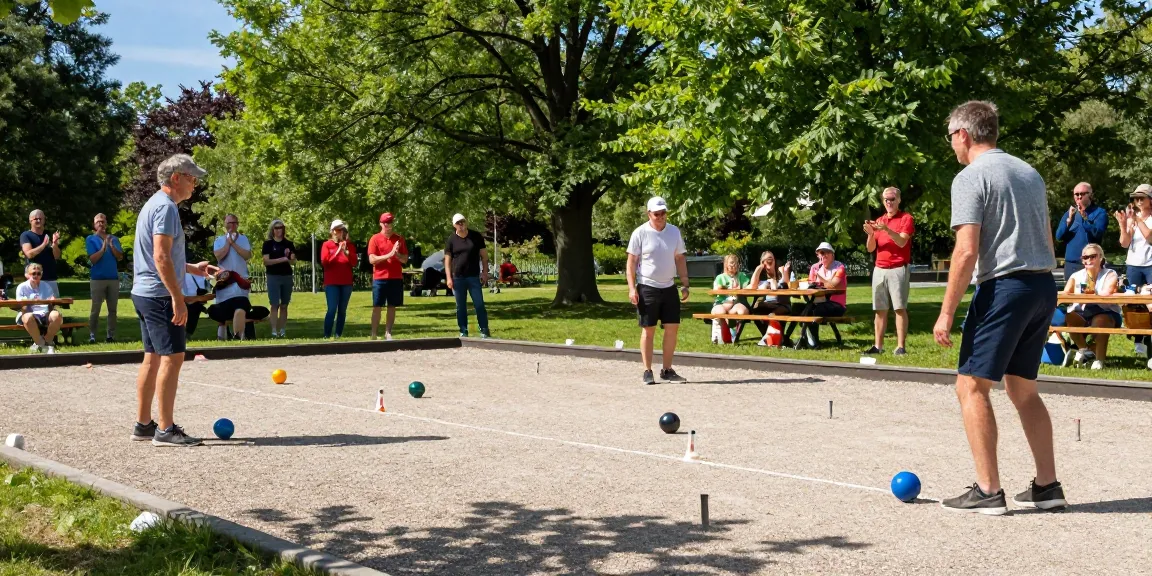
Understanding Petanque and Its Historical Significance
Petanque, a sport that has roots steeped in history and culture, is more than just a pastime; it embodies a community spirit and a rich heritage. Originating from France, petanque has gradually spread across the globe, finding a unique place in Indonesia, where it is nurtured by organizations such as FOPI Kota Parepare. This article explores the captivating journey of petanque, its establishment in Indonesia, and the role of FOPI Kota Parepare in promoting this engaging sport.
What is Petanque and How Did It Originate?
Petanque is a form of boules, which involves players throwing metal balls as close as possible to a small target ball known as the cochonnet. Its origins trace back to the early 20th century in Provence, France, where it was initially played in a format that required players to take a running start before throwing the ball. Over time, the sport evolved into the static version played today, where players stand with their feet firmly planted. The sport’s name is derived from the Provençal Occitan term “pè tanco,” which translates to “feet together,” highlighting the key difference in how the game is played compared to its predecessors.
The Evolution of Petanque in Indonesia
The introduction of petanque to Indonesia remains somewhat obscure, with various theories regarding its entry. While there is no definitive documentation, it is widely believed that expatriates from France introduced the sport in areas like Jakarta, Lombok, and Yogyakarta. They constructed petanque facilities in hotels managed by French nationals, such as Hotel Novotel in Bali and Hotel Horizon Ancol. Notably, as expatriates played the game, it remained confined to the expatriate community until the 2011 SEA Games catalyzed a broader interest in the sport.
Key Historical Figures and Milestones
One of the notable figures in the history of Indonesian petanque is Eddie Lim, a Singaporean who learned the sport in the 1990s in Jakarta. He played a pivotal role in popularizing petanque in Singapore after returning there. The critical juncture for petanque in Indonesia came during the SEA Games in 2011, where it was included as a competitive sport, significantly boosting its visibility and popularity. This event laid the foundation for the establishment of the Indonesian Petanque Federation (FOPI), which aims to develop and promote the sport across the country.
The Role of FOPI Kota Parepare in Promoting Petanque
Established as a driving force behind the growth of petanque in Indonesia, FOPI Kota Parepare serves as the official organization for promoting and managing the sport within its jurisdiction. It operates under the auspices of FOPI Provinsi Sulawesi Selatan and is affiliated with KONI Kota Parepare, the overarching sports body in the region. Through a structured framework, FOPI Kota Parepare is diligent in fostering not only competitive play but also recreational engagement throughout the local community. For further details regarding this organization and its mission, fopikotaparepare.org provides comprehensive insights into events and initiatives.
Organization Structure and Responsibilities
The organizational structure of FOPI Kota Parepare comprises a dedicated team of officials responsible for various aspects of petanque administration and promotion. This includes managing local competitions, training coaches and referees, and organizing outreach programs to schools and community centers. Their mission is to ensure that petanque is accessible to all, encouraging participation across all age groups and skill levels.
Key Events and Tournaments Organized by FOPI
Throughout the year, FOPI Kota Parepare organizes a series of tournaments designed to engage both beginners and seasoned players. These events not only foster competitive spirit but also aim to build community ties through shared experiences. Annual tournaments have become a staple of the local sports calendar, drawing participants from various regions and culminating in a vibrant celebration of sport.
Collaboration with Local Communities and Schools
FOPI Kota Parepare’s commitment to community engagement includes collaborations with local schools to introduce petanque as a part of physical education curricula. This initiative ensures that young people are exposed to the game early on, promoting physical fitness, strategic thinking, and teamwork. School competitions and workshops are regularly held, showcasing the potential for petanque to become a beloved sport among the youth.
Benefits of Playing Petanque for All Ages
Playing petanque offers a multitude of benefits that make it an appealing activity for individuals of all ages. From physical health to mental well-being, the sport provides an inclusive environment for all participants.
Physical Health Benefits of Playing Petanque
Engaging in petanque involves walking, bending, and throwing, which collectively contribute to improved physical fitness. Regular play can enhance coordination, balance, and flexibility, while also promoting cardiovascular health. As a low-impact sport, petanque is particularly suitable for older adults, encouraging them to stay active while minimizing the risk of injury.
Mental Well-Being and Community Bonding
The social aspect of petanque cannot be overstated; it fosters camaraderie among players, building friendships and community ties. The mental stimulation from strategizing during a match can also improve cognitive function, making it an excellent activity for maintaining mental sharpness as one ages. The friendly competitions and social gatherings around the sport create a supportive environment for all participants.
Inclusive Sports for Different Skill Levels
What sets petanque apart is its accessibility. Whether you are a beginner or an experienced player, the game can be easily adapted to suit different skill levels. This inclusivity encourages family participation, making it an ideal sport for bonding moments shared between generations.
Getting Involved: How to Join the Petanque Community
For those inspired to join the petanque movement, several avenues are available for getting involved. Establishing or joining a local club can be a fantastic way to meet fellow enthusiasts and participate in organized events.
Starting a Petanque Club in Your Local Area
Starting a petanque club is straightforward. Gather a group of interested individuals, secure a suitable playing area, and develop a schedule for regular games. The initial focus should be on fostering a welcoming environment where newcomers feel comfortable learning and playing.
Joining Existing Clubs and Participating in Events
For those who prefer to join an established group, many clubs are actively recruiting members. Participating in local tournaments allows you to experience the competitive spirit of petanque while meeting people with similar interests. Keep an eye on community bulletin boards and social media platforms for announcements about upcoming events.
Resources for Learning and Improvement
Numerous resources are available for players looking to improve their skills. Online tutorials, local workshops, and mentorship from experienced players can enhance one’s understanding of techniques and strategies. Engaging with the broader petanque community, particularly online forums, can provide valuable insights and tips for success in the sport.
Future Trends for Petanque in Indonesia and Beyond
As petanque continues to grow in popularity, several trends are emerging that highlight its potential for the future. The landscape of sports is constantly evolving, and petanque is no exception.
Predictions for the Growth of Petanque in 2026
By 2026, it is anticipated that petanque will gain substantial recognition in Indonesia, potentially increasing its presence in schools and community sports initiatives. The inclusion of petanque in more competitive events can lead to a surge in interest, inspiring a new generation of players.
Innovative Practices to Engage New Players
To attract new players, innovative practices such as “Petanque Days” can be organized, where community members can try the sport for free. Utilizing social media campaigns to highlight local clubs and events can also enhance visibility and draw interest from various demographics.
Leveraging Technology for Enhanced Play and Community Outreach
Emerging technology, such as mobile applications, can aid in organizing events and facilitating communication among players. Additionally, online streaming of tournaments may further popularize the sport, reaching audiences beyond local communities.
What Role Will FOPI Play in the Future?
As the governing body for petanque in Indonesia, FOPI will continue to play a vital role in developing the sport. Their dedication to fostering talent, organizing events, and promoting inclusivity will be critical in shaping the future of petanque across the nation.
What are the basic rules of petanque?
The basic rules of petanque include forming teams, taking turns to throw the balls, and aiming to place the balls as close to the cochonnet as possible. The game can be played in singles, doubles, or triples, and points are awarded based on the proximity of the balls to the target. Additionally, the match culminates once a team scores 13 points.
How can I find local petanque clubs?
Local petanque clubs can often be found through community sports organizations or by looking for social media groups dedicated to petanque enthusiasts. Websites like FOPI Kota Parepare can also provide information about clubs and events in your area.
What equipment do I need to start playing petanque?
The primary equipment needed includes a set of petanque balls and a cochonnet. Many clubs provide equipment for new players, allowing them to learn the game before investing in their own supplies.
Are there competitions for beginners?
Yes, many local clubs and organizations, including FOPI, organize competitions that welcome beginners. These events are designed to create a friendly atmosphere conducive to learning and improving skills while fostering a competitive spirit.
How does petanque promote community engagement?
Petanque promotes community engagement by fostering social interaction through team play, organizing community events, and encouraging participation from diverse demographic backgrounds. The inclusive nature of the sport helps build lasting friendships and community ties, enriching the local cultural fabric.