Understanding Whole House Repiping Services St Petersburg FL
What is Whole House Repiping?
Whole house repiping is a comprehensive plumbing solution that involves the complete replacement of your home’s existing pipes. Over time, pipes can wear down due to corrosion, leaks, or other damaging factors. Repiping may involve replacing outdated materials with modern alternatives, ensuring improved water flow, safety, and overall plumbing efficiency. For homeowners in St. Petersburg, FL, these whole house repiping services St Petersburg FL can be a long-lasting solution to significant plumbing problems.
Signs Your Home Needs Repiping
Identifying the right time for repiping can save homeowners from costly repairs and health risks. Here are some signs that indicate your home might need repiping:
- Frequent Leaks: If you find yourself constantly calling a plumber for repairs, your pipes may be deteriorating.
- Low Water Pressure: A noticeable drop in water pressure can indicate buildup or pipe damage.
- Discolored Water: Rusty or discolored water is a red flag for corroded pipes.
- Old Plumbing Materials: If your home still has lead or galvanized steel pipes, repiping is highly advisable.
- Unusual Noises: Louder-than-usual noises from your plumbing can signify issues within the pipes.
Benefits of Whole House Repiping
Repiping offers numerous benefits that contribute to the functionality and safety of your home. Some of these advantages include:
- Increased Water Flow: New pipes can provide better flow rates compared to old, narrowed pipes.
- Improved Water Quality: Replacing damaged or corroded pipes can enhance the quality of the water coming into your home.
- Enhanced Home Value: A modern plumbing system is a selling point for potential buyers, significantly increasing your home’s value.
- Less Maintenance: New pipes require less upkeep, saving you time and money in the long run.
- Peace of Mind: Knowing your plumbing system is reliable can alleviate stress and anxiety.
Choosing the Right Plumbing Materials
Copper vs. PEX Pipes: What to Know
When considering repiping, your choice of materials is crucial. Copper and PEX are two popular options:
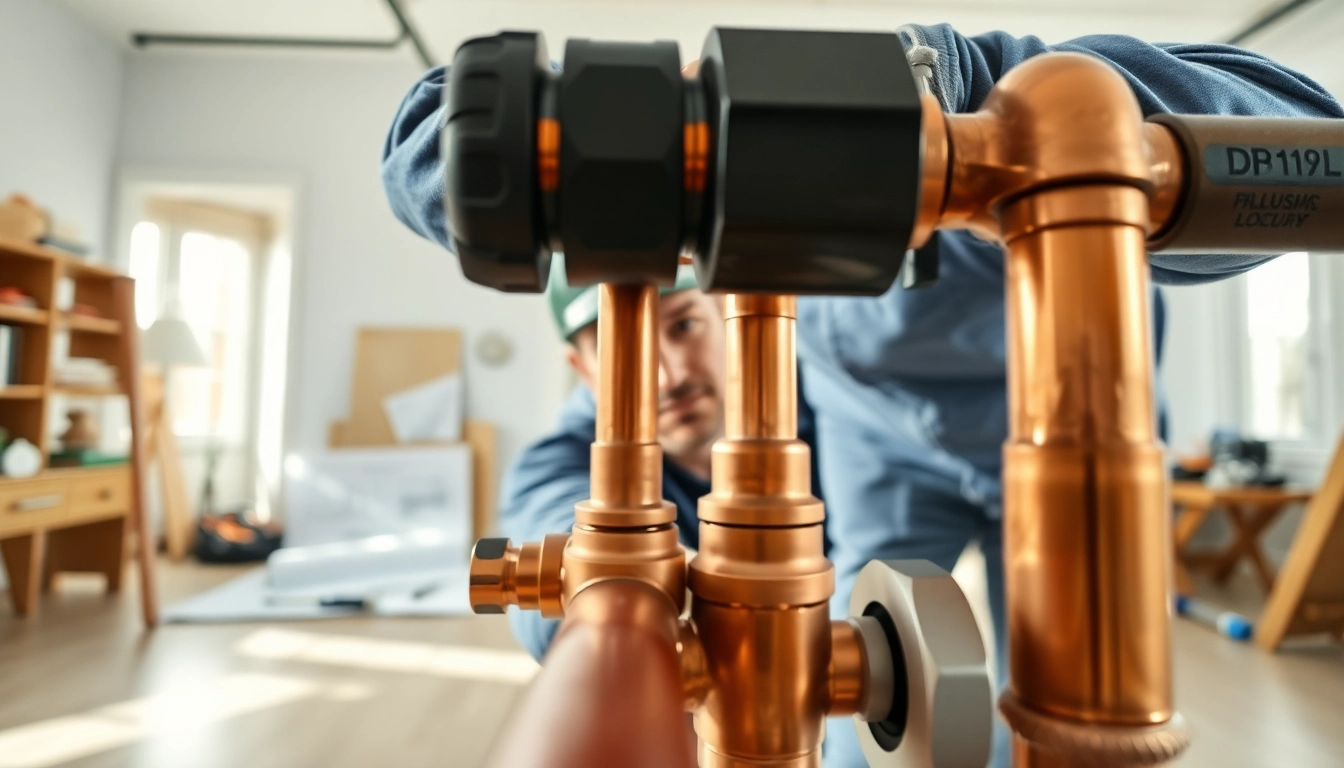
- Copper Pipes: Known for their durability and resistance to corrosion, copper pipes often last longer than other materials. However, they tend to be more expensive and require soldering for installation.
- PEX Pipes: PEX (cross-linked polyethylene) is becoming increasingly popular due to its flexibility, ease of installation, and resistance to freezing. It’s usually cheaper than copper and is ideal for retrofitting existing systems.
Cost Implications of Different Materials
The overall cost of repiping can fluctuate significantly depending on the materials selected. Typically, copper is more expensive upfront but can last longer. PEX, while cheaper, may have a shorter lifespan. It’s essential to factor in not just the initial cost, but also the long-term value, maintenance, and durability of each material.
Longevity and Maintenance of Pipes
The longevity of your pipes is determined largely by the material used. Copper pipes can last more than 50 years when properly maintained, while PEX pipes generally have a lifespan of around 30 years. Regular inspections and keeping an eye out for warning signs can help you catch issues early, reducing maintenance costs.
The Repiping Process Explained
Initial Assessment and Planning
The first step in the repiping process is an assessment by a plumbing professional who will evaluate your current plumbing system. They will identify areas needing replacement and determine the best type of material to use. Based on this assessment, a detailed plan is developed, including timelines and a quote.
Day of the Repiping: What to Expect
On the day of repiping, the plumbing team will arrive to begin the project. They may need to access walls and crawlspaces, which could result in some minor disruption to your home. It’s important to prepare accordingly, moving any furniture or obstacles out of the work area. Most repiping projects take 1 to 3 days, depending on the size and complexity of the job.
Post-Repiping Inspection and Maintenance
After repiping, a thorough inspection is conducted to ensure everything is functioning correctly. This inspection may include testing for leaks and checking water pressure. Post-repair maintenance tips might be provided by the plumbing team to ensure the longevity of your new pipes, such as minimizing harsh chemical drain cleaners.
Cost Factors in Whole House Repiping Services St Petersburg FL
Estimating the Overall Cost
Estimating the cost of repiping involves several factors, including home size, chosen materials, and labor. On average, homeowners can expect to pay between $5,000 to $15,000, depending on these variables. For a more accurate estimate, obtaining multiple quotes from licensed plumbers in St. Petersburg is advisable.
Understanding Labor Costs
Labor can account for a significant portion of the repiping costs, typically ranging from 40% to 60% of the overall price. The complexity of the job, the location of the pipes, and the experience level of the plumbing team will greatly influence labor rates. Engaging a qualified plumber ensures that the job is completed correctly, which can save costs in the long run.
Financing Options for Homeowners
Homeowners concerned about the upfront cost of repiping have several financing options available. Many plumbing companies offer payment plans or financing through third-party lenders. Additionally, some homeowners may explore home equity loans or personal loans to cover these expenses. It’s important to discuss financing options with your chosen plumbing service before starting the project.
FAQs About Whole House Repiping Services St Petersburg FL
How long does whole house repiping take?
The duration varies but typically ranges from 1 to 3 days, depending on the home’s size and complexity.
Are there any disruptions during repiping?
Yes, there will be some disruptions to water service, but we strive to minimize inconvenience.
Will I need to vacate my home during repiping?
Not usually, but it may be advisable to stay elsewhere, especially if you have small children or pets.
What are the signs of plumbing issues I should look for?
Common signs include low water pressure, pipe leaks, discolored water, or frequent repairs.
Do I need permits for whole house repiping?
Yes, permits are typically required, and experienced plumbers will handle this on your behalf.