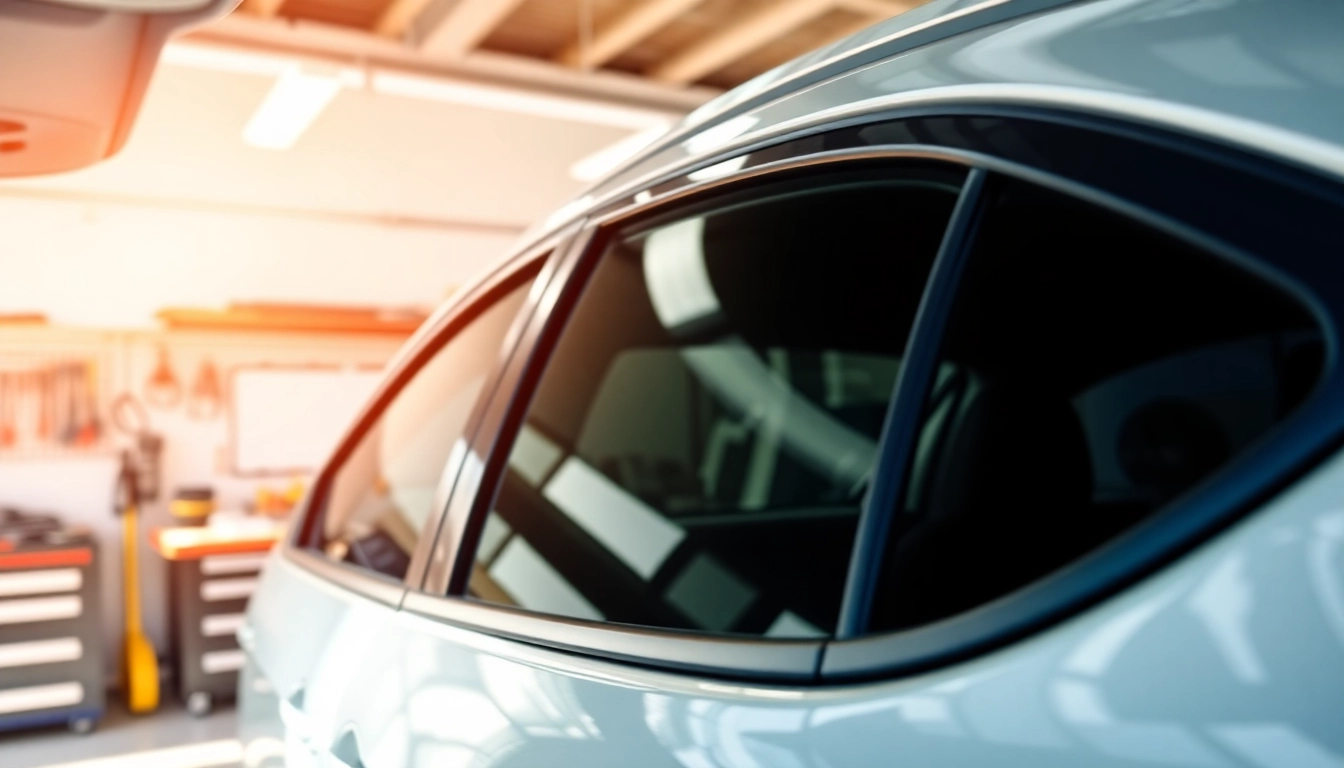
Understanding Window Tint Options
What is Window Tint?
Window tint refers to a dark film that is applied to the glass surfaces of vehicles, buildings, or homes to enhance privacy, aesthetics, and energy efficiency. This film is typically made from polyester, coated with UV blockers, and comes in various shades, providing a range of functional benefits including heat rejection, glare reduction, and enhanced safety.
Types of Window Tint
There are several types of window tint films, each designed for specific needs and preferences:
- dyed window tint: This basic film absorbs sunlight, reducing glare and heat. It’s available in various shades and is typically the most cost-effective option.
- metalized window tint: Containing microscopic metallic particles, this type reflects heat and UV rays, enhancing durability, and providing better privacy than dyed films.
- ceramic window tint: Offering superior performance, ceramic tints are non-metallic and provide excellent heat rejection while allowing visible light to pass through. They are more expensive but offer substantial benefits.
- carbon window tint: This option absorbs infrared light while blocking UV rays, maintaining a cooler temperature inside. It also doesn’t fade over time, providing long-lasting results.
Benefits of Window Tinting
Applying window tint has a variety of advantages:
- UV protection: Window tinting blocks up to 99% of harmful UV rays, safeguarding your skin and interior materials from fading and damage.
- Heat rejection: Tints can significantly reduce heat levels inside your vehicle or home, which can lead to lower energy costs and enhanced comfort.
- Glare reduction: Tints help minimize glare from sunlight, making it more comfortable for drivers and occupants to see clearly.
- Enhanced privacy: Tints offer varying degrees of privacy, ensuring that prying eyes can’t easily see inside your vehicle or home.
- Improved aesthetics: Tinted windows can enhance the overall look of your vehicle, giving it a polished appearance.
Choosing the Right Window Tint Near Me
Factors to Consider
When searching for window tint near me, consider the following factors:
- Quality of film: Research and choose high-quality films that offer durability and performance.
- Professional installation: Select a qualified installer with a solid reputation. Installation quality is crucial for long-lasting results.
- Price: Compare prices among local services but be cautious of choosing the cheapest option, as it often compromises quality.
- Warranty: Look for warranties that cover both the film and installation to protect your investment.
- Customer reviews: Read reviews and testimonials from previous clients to gauge the service quality.
Local Installation Services
Identifying experienced local tinting professionals can significantly impact your satisfaction with the results. Focus on installers who specialize in automotive tinting, as they will be familiar with various models and their specific needs. Furthermore, a service that offers a portfolio of their past work can assure you of their capabilities.
Comparing Different Tint Brands
Familiarize yourself with various tint brands available in your area. Brands differ greatly in terms of quality, performance, and price. Look for those that are renowned for their durability and effectiveness rather than those that are cheaper but may not last long. Consider asking installers for their recommendations based on your specific needs.
Legal Considerations in Window Tinting
State Regulations on Tint Levels
Each state has specific laws regarding how dark window tint can be, which varies by the type of vehicle and window. Understanding these regulations is essential before installing window tint to avoid fines and ensure compliance. You can usually find this information on state Department of Motor Vehicle websites.
Necessary Permits for Installation
Some states require permits or have specific restrictions in place for installing window tint. Be sure to check with your local authorities to ensure you are following the legal procedures and avoid potential penalties. Some local installers may also assist in ensuring compliance.
Tips for Compliance
To achieve compliance with local regulations, consider the following tips:
- Always opt for professional installation services familiar with local laws.
- Request documentation from your installer confirming the film meets state regulations.
- Keep up-to-date with any changes in legislation regarding window tinting in your area.
Installation Process Explained
Preparing Your Vehicle for Tinting
A clean, dry surface is essential for proper tint adhesion. Before installation, ensure the windows are thoroughly cleaned and free of any debris, dirt, or oils. It’s also advisable to remove any stickers or films that might hinder the tint process. Some professionals recommend rolling down the windows slightly a day before tinting for optimal adhesion.
Timeline for Installing Window Tint
The time required for window tinting largely depends on the type of vehicle and the film being applied. Typically, you can expect about 2-4 hours for a standard car. More complicated projects, like SUVs or vehicles with unique glass shapes, may take longer. Ensure to discuss the timeline with your installer beforehand to manage your expectations.
Maintaining Your Tint After Installation
To ensure the longevity and effectiveness of your window tint, follow these maintenance tips:
- Avoid rolling down your windows for the first few days after installation to allow the adhesive to cure fully.
- Clean the tinted windows with a gentle cleaner and soft cloth; avoid ammonia-based products that could damage the film.
- Inspect the tint regularly for any signs of bubbling or peeling and address issues promptly with your installer.
FAQs About Window Tint Near Me
How much does window tinting cost?
Prices can vary significantly depending on the type of tint and vehicle size, typically ranging from $200 to $800 for a complete installation.
Will window tint fade over time?
High-quality tints are designed to resist fading, but lower-grade films may degrade over time, especially if exposed to harsh elements. Regular cleaning can help maintain their appearance.
Can I do window tinting myself?
DIY window tinting is possible but requires skill for a smooth finish; professional installation often ensures better adherence and results.
What are the best brands of window tint?
Some reputable brands known for quality include 3M, Llumar, and Huper Optik. Each offers various options tailored to specific needs.
How do I find local tinting services?
Utilize online searches targeting window tint near me, check local directories, or ask for recommendations from friends or automotive service providers.