Understanding Roofing Basics in South Jersey
When it comes to maintaining a home, the roof is one of the most crucial aspects to consider, especially in areas like South jersey. The unique climate and architectural styles in this region necessitate a solid understanding of roofing materials, styles, and the specific challenges that homeowners face.
Key Materials Used in South Jersey Roofing
Roofing materials vary significantly in terms of durability, cost, and insulation properties. In South Jersey, homeowners tend to favor several key materials:
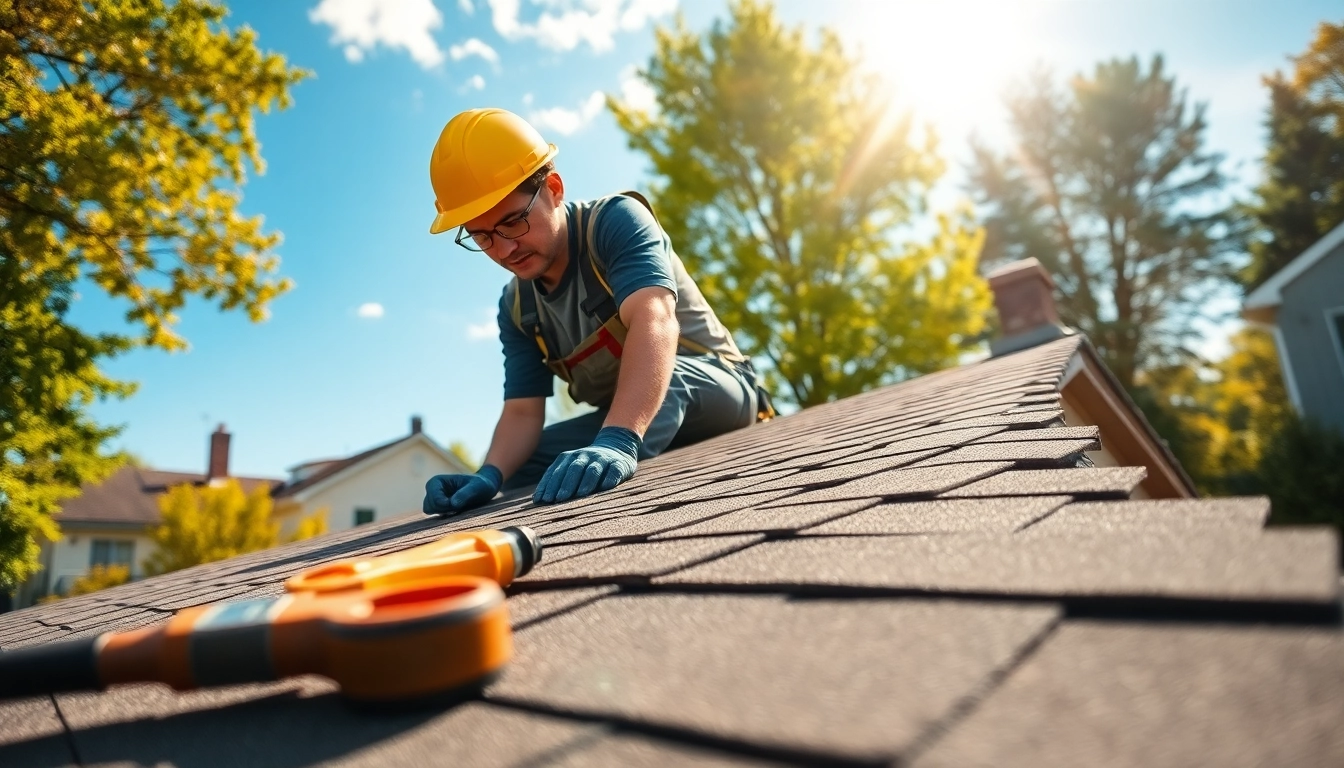
- Asphalt Shingles: Most common in South Jersey due to their affordability and ease of installation, asphalt shingles are available in various colors and styles.
- Metal Roofing: Known for its longevity and durability, metal roofing can withstand harsh weather conditions and is eco-friendly.
- Slate and Tile: Though more expensive, these materials provide exceptional longevity and aesthetic appeal, particularly suitable for traditional-style homes.
- Wood Shingles: Offering a classic look, wood shingles can enhance the appearance of a home but require regular maintenance to prevent rot and insect issues.
- Rubber Roofing: A viable option for flat roofs, rubber roofing is durable and resistant to severe weather, making it increasingly popular in commercial structures.
Common Roofing Styles in South Jersey Homes
The architectural diversity of South Jersey is reflected in its roofing styles. Common roofing styles include:
- Gable Roofs: Featuring two sloping sides, gable roofs are highly effective at shedding water and snow, making them ideal for homes in South Jersey.
- Hip Roofs: Similar to gable roofs, hip roofs are sloped on all sides and provide excellent stability against wind.
- Flat Roofs: Usually found in commercial buildings and modern residential designs, flat roofs require proper drainage systems due to their lack of slope.
- Mansard Roofs: Often seen in Victorian-style homes, mansard roofs have a distinctive double pitch, allowing for additional living space in the attic.
Challenges Specific to South Jersey Climate
The climate in South Jersey presents particular challenges for roofing:
- Snow and Ice: Heavy snow accumulation can cause ice dams, leading to leaks and damage. Proper insulation and ventilation can help mitigate these issues.
- High Humidity: The humidity can cause mold growth and roof deterioration, making it essential to choose materials with good moisture resistance.
- Hurricanes and Storms: The potential for hurricanes necessitates robust roofing designs that can withstand strong winds and heavy rains.
Choosing the Right Roofing Contractor in South Jersey
Selecting a qualified roofing contractor is vital to ensure a successful roofing project. With many options available in South Jersey, being informed can help you make the right choice.
What to Look for in a Roofing Company
Homeowners should consider several key factors when evaluating roofing companies:
- Experience: Look for contractors with extensive experience in the South Jersey area and a proven track record of quality work.
- Local Reputation: Research online reviews and ask for referrals to gauge customer satisfaction and reliability.
- Services Offered: Ensure the contractor offers the specific roofing services you need, whether it’s repair, installation, or maintenance.
Questions to Ask Before Hiring
Before hiring a roofing contractor, consider asking:
- Can you provide references from previous customers?
- What warranties do you offer on materials and labor?
- How do you handle roof inspection and assessment?
- What is your estimate timeframe for completion?
- Are your employees trained and insured?
Verifying Licenses and Insurance
Always verify that the contractor has the necessary licenses and insurance. This protects you from liability in case of accidents and ensures the contractor meets local building codes. Request to see copies of their insurance policy and license before proceeding with any work.
Maintenance Tips for Long-Lasting Roofing in South Jersey
Regular maintenance can prolong the life of your roof and prevent costly repairs. Here are practical maintenance tips tailored for homeowners in South Jersey.
Seasonal Maintenance Checklist
Create a seasonal checklist to help maintain your roof:
- Spring: Inspect for damage from winter storms, clean gutters, and trim overhanging branches.
- Summer: Check for any signs of wear, apply sealants if necessary, and ensure proper ventilation.
- Fall: Clean gutters, remove leaf accumulation, and inspect flashings for leaks.
- Winter: Monitor snow accumulation and be proactive about ice dam prevention.
Identifying Common Roofing Problems
Being able to identify roofing problems early can save time and money:
- Leaks: Water stains on ceilings and walls can indicate leaks that need immediate attention.
- Missing or Damaged Shingles: Check for cracked, curled, or missing shingles that can expose the underlayment to weather damage.
- Granule Loss: Inspect gutters for asphalt granules, a sign of shingle deterioration.
Preventative Measures for Homeowners
Implementing preventative measures can greatly extend the life of your roof:
- Regular Inspections: Schedule inspections at least twice a year and after severe weather.
- Maintain Proper Ventilation: Ensure your roof has adequate airflow to prevent moisture buildup.
- Address Issues Promptly: Tackle any small repairs before they escalate into larger problems.
Understanding Roofing Warranties in South Jersey
Roofing warranties can provide peace of mind, but understanding their intricacies is crucial for homeowners. Knowing what these warranties cover can save you from unexpected repair costs.
What Warranties Cover
In general, roofing warranties cover the following:
- Materials: Manufacturer warranties are usually applied to the roofing materials.
- Workmanship: Labor warranties cover installation errors made by contractors.
- Transferability: Some warranties can be transferred to new owners if you sell your home.
How to Read Roofing Warranty Documents
When reviewing warranty documents, pay attention to these elements:
- Duration: Check how long the coverage lasts.
- Exclusions: Understand what is not covered, which may include certain types of damage or improper installation.
- Requirements: Some warranties require specific maintenance practices to remain valid.
Common Pitfalls Homeowners Should Avoid
A few common pitfalls regarding warranties include:
- Not fully understanding the terms before signing.
- Failing to provide necessary maintenance as outlined in the warranty.
- Ignoring claims processes or timelines set by manufacturers.
FAQs About Roofing in South Jersey
How often should I inspect my roof?
It’s recommended to inspect your roof at least twice a year, especially after severe weather events.
What are the signs of roof damage?
Look for missing shingles, leaks, sagging, and granule loss in gutters as signs of roof damage.
How can I improve my roof’s durability?
Regular maintenance, proper ventilation, and quality materials can significantly improve your roof’s longevity.
How do weather conditions affect roofing?
Extreme temperatures, heavy rain, and snow can lead to roofing wear and tear, affecting performance and life span.
What is the cost range for a roof replacement?
Costs vary widely based on materials and size, but homeowners in South Jersey can expect averages between $5,000 and $15,000.