Understanding Vinyl Plank Flooring
What is Vinyl Plank Flooring?
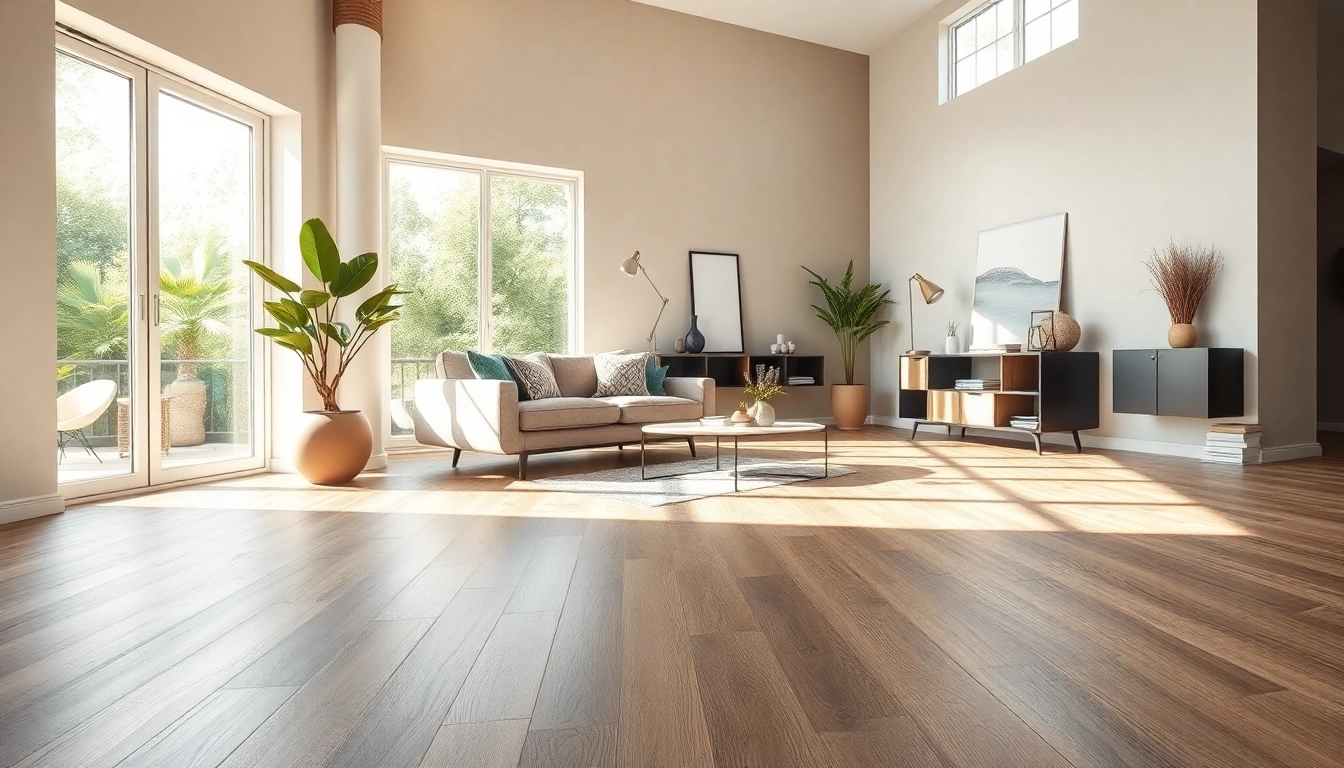
Vinyl plank flooring is a versatile and durable flooring option designed to replicate the appearance of natural wood while offering greater resilience and moisture resistance. Comprised of multiple layers, vinyl plank flooring usually features a rigid core for stability, a vinyl layer for aesthetics, and a protective wear layer to enhance durability. This makes it suitable for various settings, including homes, offices, and commercial spaces.
Types of Vinyl Plank Flooring
There are primarily two types of vinyl plank flooring: luxury vinyl plank (LVP) and standard vinyl plank. Luxury vinyl plank is thicker and often incorporates advanced technology to provide greater sound insulation and is more comfortable underfoot. Standard vinyl plank is more economical and generally easier to install. Both types come in various styles, including plank and tile formats, catering to different design preferences.
Benefits of Using Vinyl Plank Flooring
The popularity of vinyl plank flooring can be attributed to a myriad of benefits. One of its most significant advantages is its resilience; it withstands moisture and heavy foot traffic better than many other flooring types. Additionally, vinyl plank flooring is available in a broad range of designs, colors, and textures, allowing it to complement virtually any décor. It’s also easy to install, maintain, and replace, making it a practical choice for homeowners and renters alike.
Choosing the Right Vinyl Plank Flooring
Factors to Consider Before Buying
When selecting vinyl plank flooring, several factors should be taken into consideration. First, consider the location of installation; spaces susceptible to moisture, like bathrooms and kitchens, require water-resistant planks. Secondly, take into account the durability rating. Planks with higher ratings are more resistant to scratches and dents. Lastly, consider the thickness, as thicker planks generally offer better sound insulation and comfort.
How to Select the Right Style and Color
Choosing the right style and color for your vinyl plank flooring can significantly enhance a room’s ambiance. Consider the existing color palette, furniture, and overall design theme of the space. Lighter colors can make rooms appear larger, while darker shades can add warmth and character. Textured options can also mimic real wood, providing a more authentic aesthetic.
Understanding Ratings and Quality Indicators
Quality indicators for vinyl plank flooring include factors such as the wear layer thickness measured in mils, the top coating finish, and the IIC (Impact Insulation Class) rating. A thicker wear layer typically indicates better resistance to wear and tear. An IIC rating is crucial for sound insulation, especially in multi-story buildings. Always look for products with high ratings for optimal performance.
Installation Guide for Vinyl Plank Flooring
Preparing Your Subfloor
Proper preparation of the subfloor is critical for a successful vinyl plank installation. Ensure the subfloor is clean, dry, and level. Any imperfections, such as bumps or debris, can affect the appearance and longevity of the flooring. It may be necessary to repair any cracks or uneven areas with a suitable leveling compound before installation.
Tools and Materials Needed for Installation
Before beginning installation, gather the necessary tools and materials, including a utility knife or flooring cutter, a measuring tape, a straight edge, spacers, and a tapping block for snug fitting. Additionally, ensure you have underlayment if required, as it can provide additional insulation and moisture resistance.
Step-by-Step Installation Process
- Measure the Room: Measure the space accurately to determine the amount of vinyl plank flooring required.
- Acclimate the Planks: Allow the planks to acclimate in the room for 48 hours to prevent expansion or contraction after installation.
- Lay Out the Planks: Start at the longest wall and lay out a few rows of planks without adhesive to ensure proper fit and aesthetic appeal.
- Install the First Row: Apply adhesive if required and begin with the first row, using spacers to maintain an even gap along the walls.
- Continue Installation: Use the tapping block to secure each plank snugly and continue to the next rows until the entire area is covered.
- Finishing Touches: Once all planks are installed, remove spacers and add baseboards to cover expansion gaps for a seamless finish.
Maintaining Vinyl Plank Flooring
Daily Care and Cleaning Tips
Regular cleaning is essential to maintain the beauty and longevity of your vinyl plank flooring. Start with daily sweeping or vacuuming to remove dirt and debris. Use a damp mop with a mild, pH-neutral cleaner for deeper cleaning, and avoid using harsh chemicals that can damage the finish. Always ensure you dry the floor thoroughly to prevent moisture from seeping into seams.
Dealing with Scratches and Damage
Accidents can happen, leading to scratches or damage on your vinyl plank flooring. For minor scratches, consider using a specialized repair kit that matches your flooring color. For deeper gouges, you may need to replace damaged planks. Always consult warranty information to convey the proper claim procedures should major repairs be necessary.
Long-Term Maintenance for Durability
To ensure the longevity of your vinyl plank flooring, incorporate long-term maintenance practices. This includes promptly addressing spills to prevent stains, using furniture pads to protect against scratches from moving furniture, and placing rugs at entryways to catch dirt and grit. Regular inspections for signs of wear can help catch issues before they become larger problems.
Comparing Vinyl Plank Flooring with Other Flooring Options
Vinyl Plank vs. Hardwood Flooring
Vinyl plank flooring offers several advantages over hardwood, including enhanced moisture resistance and lower cost. While hardwood can provide a timeless look and higher resale value, it requires more maintenance and is prone to scratches. Vinyl plank flooring, on the other hand, combines aesthetic appeal with practicality, making it an excellent alternative.
Vinyl Plank vs. Laminate Flooring
Both vinyl plank flooring and laminate are cost-effective solutions, but they differ in composition and durability. Vinyl is waterproof, while laminate is susceptible to moisture damage. Therefore, vinyl is a superior choice for areas with high humidity. In terms of appearance, high-quality vinyl can replicate wood more authentically than laminate, making it an attractive option for many homeowners.
Cost Analysis of Flooring Options
When considering costs, vinyl plank flooring is generally more affordable than hardwood and comparable to laminate. While installation costs may vary, vinyl’s lower maintenance costs and longer lifespan often result in better long-term value. It’s crucial to evaluate the total cost of ownership rather than just upfront expenses to make the best decision for your budget.
Frequently Asked Questions
1. How long does vinyl plank flooring last?
Vinyl plank flooring can last anywhere from 10 to 25 years, depending on factors like quality, installation, and maintenance practices.
2. Is vinyl plank flooring easy to install?
Yes, many vinyl plank flooring options are designed for easy installation, often featuring click-lock systems that require no glue or nails.
3. Can vinyl plank flooring be installed over existing flooring?
Yes, vinyl plank flooring can often be installed over existing floors as long as the surface is clean, level, and solid.
4. Is vinyl plank flooring waterproof?
Vinyl plank flooring is water-resistant and can handle moisture better than many other flooring types, making it suitable for kitchens and bathrooms.
5. How should I clean vinyl plank flooring?
For daily maintenance, sweep or vacuum regularly and use a damp mop with a pH-neutral cleaner for deeper cleans.