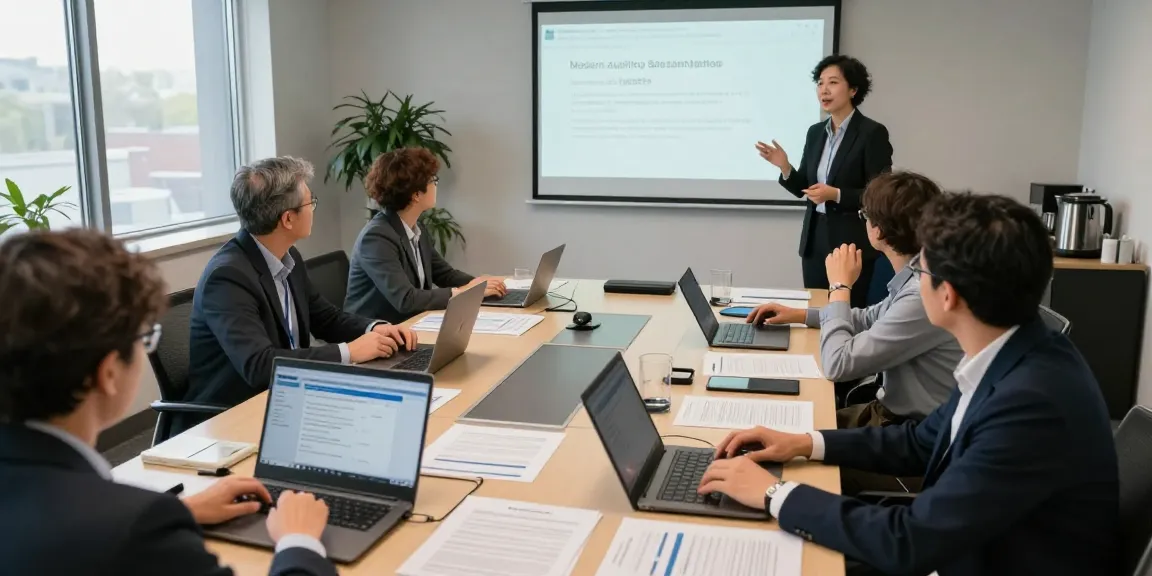
Understanding Forensic Auditing
Forensic auditing is gaining prominence in today’s complex financial landscape, driven by the increasing need for transparency and accountability in financial reporting. This specialized field combines auditing skills with investigative techniques, ensuring that irregularities can be detected and addressed effectively. When exploring options, aafikotajakarta.org provides comprehensive insights into the role and importance of forensic auditors in the Indonesian context, as well as the services they offer.
What is Forensic Auditing?
Forensic auditing entails a detailed examination of an organization’s financial records to uncover fraud, embezzlement, or any discrepancies that can lead to financial losses or legal issues. Unlike traditional audits, forensic audits are specifically designed to investigate suspicious activities, often in response to allegations or indicators of misconduct.
Forensic auditors utilize a variety of techniques, including data analysis and transaction tracing, to reveal hidden patterns that may suggest fraudulent behavior. Their findings can be critical during legal proceedings or regulatory inquiries, making their role an indispensable part of contemporary financial management.
Importance of Forensic Auditing in Justice
The significance of forensic auditing extends beyond mere financial scrutiny. It plays a crucial role in upholding justice and integrity within the financial system. By identifying and exposing fraud, forensic auditors contribute to a fairer business environment and help maintain public confidence in financial institutions.
Moreover, forensic auditors often collaborate with law enforcement agencies to provide evidence that can be used in criminal cases. Their expertise is essential in ensuring that justice is served, and offenders are held accountable for their actions.
Key Skills Required for Forensic Auditors
To excel in forensic auditing, professionals must possess a unique set of skills that include:
- Analytical Thinking: The ability to analyze complex financial data and identify anomalies.
- Attention to Detail: Precision is crucial, as even minor discrepancies can signify larger issues.
- Communication Skills: Forensic auditors must clearly convey their findings to stakeholders, including legal teams and management.
- Investigative Proficiency: Skills in conducting investigations and questioning methods are essential.
- Technical Skills: Familiarity with data analysis tools and software enhances their efficacy in uncovering fraud.
AAFI KOTA JAKARTA Overview
Asosiasi Auditor Forensik Indonesia (AAFI) Kota Jakarta is a pioneering organization that plays a vital role in developing the forensic auditing profession across Indonesia. With over 2000 members spanning the archipelago, AAFI Kota Jakarta aims to be a trusted professional body, committed to enhancing the principles of justice and accountability in society.
Mission and Vision of AAFI KOTA JAKARTA
The mission of AAFI Kota Jakarta revolves around building and enhancing the organization’s capacity, fostering the competencies and solidarity of its members, and establishing collaborations with relevant organizations and institutions. Their vision is to become a forward-thinking profession dedicated to social justice and equity, ensuring a fair financial framework for all citizens.
Membership and Community Engagement
Membership in AAFI Kota Jakarta offers numerous benefits, including access to exclusive training and professional development opportunities. The organization promotes community engagement initiatives that aim to uplift the standards of forensic auditing and ensure its members are at the forefront of industry changes.
By fostering an inclusive environment, AAFI Kota Jakarta encourages collaboration among its members, which strengthens the overall profession and enhances the collective knowledge base within the community.
Strategic Partnerships within the Industry
Strategic partnerships are essential for AAFI Kota Jakarta as they facilitate collaboration with various entities, including government bodies, educational institutions, and other professional organizations. These alliances enable AAFI to promote best practices, share knowledge, and influence policy-making in forensic auditing.
Through these collaborations, AAFI Kota Jakarta not only enhances the competencies of its members but also contributes to the wider community by advocating for transparency and ethical practices in financial auditing.
Developing Professional Competencies
With a rapidly evolving landscape, continuing education and skill development are paramount for forensic auditors. AAFI Kota Jakarta recognizes this need and is dedicated to providing its members with robust training programs that align with current industry standards.
Training Programs Offered by AAFI KOTA JAKARTA
AAFI Kota Jakarta offers a range of training programs designed to address the specific needs of forensic auditors. These programs include workshops on advanced auditing techniques, legal compliance, and emerging technologies in financial investigations.
Through hands-on training and expert-led workshops, members are equipped with the tools necessary to navigate the complexities of forensic auditing effectively.
Continuous Education and Certification
Continuous education is critical for maintaining professional standards in forensic auditing. AAFI Kota Jakarta emphasizes the importance of certification and provides pathways for members to achieve recognized credentials. This not only enhances individual careers but also upholds the integrity of the profession as a whole.
Building Networking Opportunities for Members
Networking is a valuable resource for forensic auditors, and AAFI Kota Jakarta fosters an environment that encourages connections among professionals in the field. By hosting events and discussions, members have the opportunity to share insights and collaborate on various projects.
Such networking opportunities are crucial for career advancement and professional growth, allowing members to stay informed about industry trends and developments.
Challenges in Forensic Auditing
Despite the critical role they play, forensic auditors face numerous challenges that can impact their effectiveness in the field. Understanding these challenges is crucial for professionals who want to navigate the complexities of forensic auditing successfully.
Common Misconceptions about Forensic Auditing
One prevalent misconception is that forensic auditing is synonymous with fraud detection. While this is a significant aspect, forensic auditors also engage in preventive measures, helping organizations implement strategies to reduce the risk of financial misconduct.
Moreover, many believe that forensic auditors solely work with law enforcement, when in reality, they are employed across various sectors, including corporate, public, and non-profit organizations.
Ethical Dilemmas faced by Auditors
The field of forensic auditing often presents ethical dilemmas. Auditors must balance the interests of their clients with their obligation to report fraudulent activities. This duality can lead to conflicts of interest and requires auditors to maintain a high level of integrity and professionalism.
To address these challenges, ongoing education in ethics is paramount for forensic auditors, ensuring they navigate complex situations appropriately.
Emerging Challenges in the Digital Era
The digital transformation of business has introduced new challenges for forensic auditors, including the rise of cybercrime and data breaches. As organizations increasingly rely on digital records, auditors must be adept at analyzing digital footprints and understanding cybersecurity protocols.
Furthermore, the rapid advancement of technology requires forensic auditors to stay updated on new tools and methodologies to effectively investigate and analyze evidence.
The Future of Forensic Auditing in 2026
As we look to the future, forensic auditing is poised to evolve dramatically, influenced by technological advancements and shifts in industry practices. Understanding these trends is vital for current and aspiring forensic auditors.
Technological Advancements and Their Impact
The integration of artificial intelligence and machine learning is transforming forensic auditing. These technologies can streamline the detection of anomalies and enhance the efficiency of audits, allowing auditors to focus on complex investigative tasks.
Moreover, emerging technologies, such as blockchain, offer new avenues for ensuring transparency and accountability in financial transactions, reshaping the landscape of forensic auditing.
Trends in Forensic Auditing Practices
Future trends point towards a greater emphasis on proactive audits rather than reactive investigations. This shift requires auditors to assess risk factors continuously and adopt a more strategic approach to auditing.
Additionally, the demand for forensic auditors with specialized skills in data analytics and cybersecurity is likely to grow, reflecting the changing needs of organizations.
Preparing for the Next Generation of Auditors
To meet the challenges of the future, educational institutions and professional organizations must adapt their curriculums to equip new auditors with the skills needed in an increasingly complex landscape. This includes an emphasis on technology, ethics, and investigative techniques.
Furthermore, mentorship programs can help bridge the gap between experienced auditors and newcomers, fostering an environment of growth and learning within the industry.