Understanding Colonial Home Renovation
Colonial home renovation is a specialized field that bridges the past with modern living. Whether you’re looking to preserve historical elements or incorporate contemporary conveniences, a well-planned renovation can breathe new life into these timeless structures. This guide aims to provide homeowners with comprehensive insights into the key aspects of colonial renovations, blending authenticity with functionality.
What Defines Colonial Architecture?
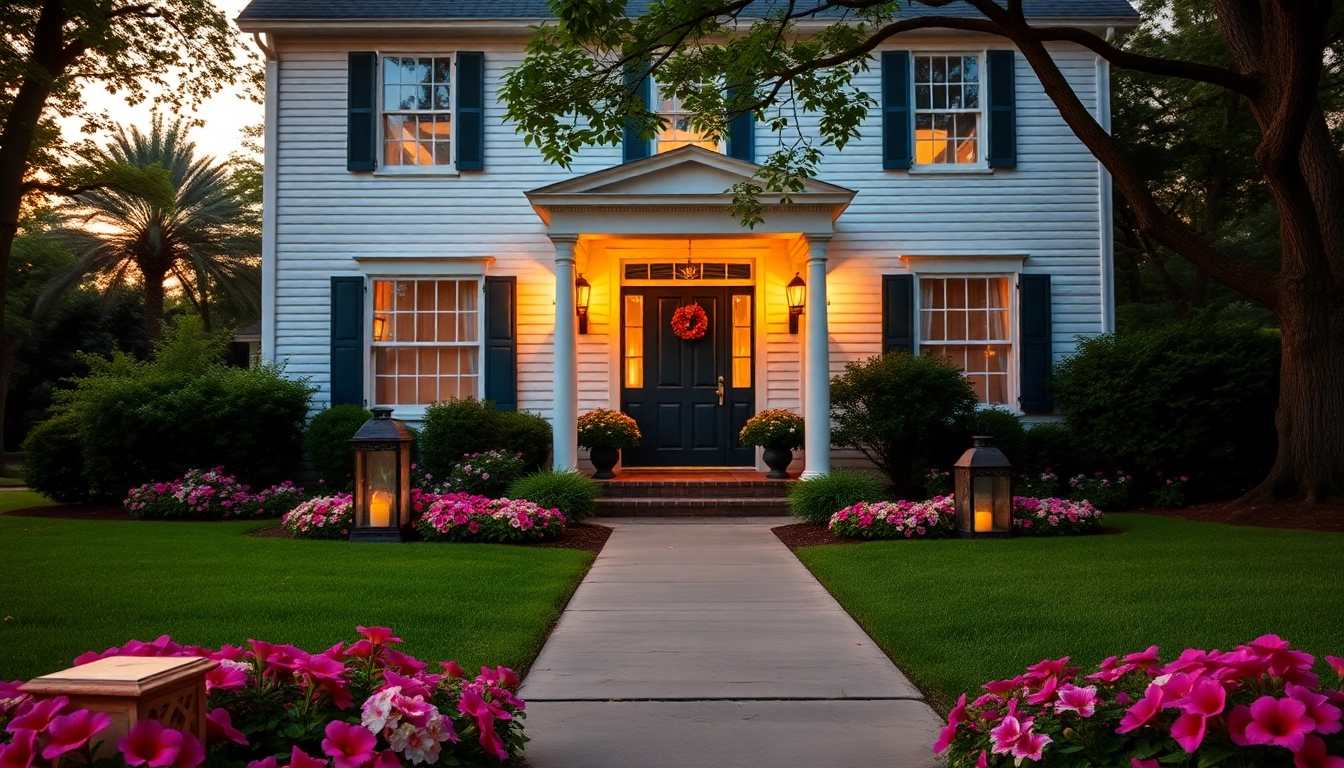
Colonial architecture refers to the style of buildings established by European colonists in North America, primarily between the 1600s and the 1800s. Characterized by symmetry, simplicity, and a strong connection to classical antiquity, colonial homes often feature elements such as:
- Steeply pitched roofs
- Large, symmetrical windows
- Formal entryways
- Colonial-style moldings and trim
- Brick or wood siding
Recognizing these features not only helps in the restoration process but also ensures the architectural integrity of the home is maintained, a critical aspect for any colonial home renovation.
Importance of Historical Preservation
Preserving historical architecture is crucial for several reasons. Firstly, it maintains the character and narrative of a community—colonial homes often serve as landmarks that reflect the region’s history and development. Moreover, historical preservation can also increase property values, making a well-maintained colonial home a wise investment.
From an environmental standpoint, retaining existing structures reduces the need for new materials and minimizes waste. Renovating, rather than demolishing, conserves resources and embodies sustainable practices, critical in today’s eco-conscious society.
Common Features of Colonial Homes
Colonial homes showcase a range of distinctive features that contribute to their charm and appeal. Often, they include:
- High ceilings
- Fireplaces as central gathering points
- Built-in shelving and cabinetry
- Wider hallways and staircases
- Original hardwood flooring
Understanding these features is essential for homeowners to ensure that the renovation respects the authenticity of the home while updating it for modern use.
Planning Your Colonial Home Renovation
A successful colonial home renovation begins with meticulous planning. Here are some essential steps to consider:
Setting a Renovation Budget
Establishing a realistic budget is vital to avoid unexpected financial stress during the renovation process. Begin by identifying key areas needing renovation—kitchens, bathrooms, structural updates—and allocate funds accordingly. Consider including a contingency fund of 10-20% of the total budget to account for unforeseen expenses. Also, factor in costs for permits, materials, and labor to ensure a well-rounded financial plan.
Choosing the Right Contractors
Selecting qualified and experienced contractors is crucial. Look for professionals with a robust portfolio in historical renovations. Ask for references, read reviews, and ensure they possess the necessary licenses and insurance. Conduct interviews to assess their understanding of colonial architecture and their approach to preserving historical elements while incorporating modern conveniences.
Design Considerations and Style Choices
When planning your renovation design, balance between maintaining historical authenticity and integrating modern needs. Consider:
- Keeping original layouts while modernizing appliances and fixtures
- Choosing color palettes that align with the era of the home
- Incorporating energy-efficient materials that blend seamlessly with historical design
Hiring a designer knowledgeable about colonial architecture can help navigate these decisions effectively.
Key Steps in the Renovation Process
Understanding the renovation process is essential for homeowners. Below outlines some critical steps:
Preparation and Demolition
Preparation is key to a smooth demolition phase. Safeguard any items of value and consider documenting the home’s original state through photographs or videos. During demolition, ensure that only non-structural elements are removed while preserving walls, ceilings, and any architectural details that can be restored.
Structural Repairs and Updates
Once demolition is complete, assess the structural integrity of the home. This may involve repairing foundations, updating electrical systems, or reinforcing walls. Using historically accurate materials and techniques is critical; consult historians or restoration experts if needed. Finally, ensure compliance with local building codes, which can add layers to your renovation timeline.
Interior Design and Aesthetic Enhancements
Focusing on interior design is where your vision truly materializes. Aim to create spaces that reflect both functionality and style. Emphasize:
- Restoring or replicating original moldings
- Choosing historically accurate color schemes
- Incorporating modern conveniences like built-in tech or energy-efficient systems
Utilizing a mix of antique and modern furnishings can further enhance the aesthetic appeal while ensuring comfort and usability.
Common Challenges in Colonial Home Renovation
Renovating a colonial home can present unique challenges. Being aware of these can aid in a smoother renovation experience.
Navigating Building Regulations
Historic homes often fall under specific preservation regulations. Check local guidelines, historical societies, and zoning laws to ensure compliance. Securing the necessary permits is critical to avoid costly fines and project delays.
Maintaining Authenticity vs. Modern Needs
Striking a balance between maintaining the home’s originality and upgrading for modern living can be tricky. It requires thoughtful decision-making to prioritize which original aspects to retain and which modern amenities can be introduced without compromising the home’s character.
Dealing with Unforeseen Structural Issues
Older homes frequently hide unexpected structural issues. Conduct thorough inspections and assessments during the planning stage. Be prepared to adapt your budget and timeline as these issues arise, ensuring you have qualified professionals on hand to tackle them promptly.
Measuring Success in Your Renovation Project
Once your renovation is complete, measuring the success of your project is essential for both satisfaction and future reference.
Post-Renovation Evaluation
Conduct a thorough evaluation of the renovated space. Are all your renovation goals met? Is the home functional and visually appealing? Gather feedback from family members or even conduct open houses with friends to gather insights. This feedback can serve as guidance for any minor adjustments needed post-renovation.
Home Value Insights
One key metric of success is reflecting on how the renovation has impacted your home’s value. Consult with a local real estate expert for insights on market trends and potential assessments post-renovation. Typically, well-executed renovations can significantly increase property values, especially in historic neighborhoods.
Next Steps in Home Maintenance
Regular maintenance is vital to protect your investment. Create a maintenance schedule that includes seasonal checks, routine repairs, and exterior care to preserve both the structure and aesthetics of your colonial home. Also, familiarize yourself with historical preservation services and requirements to ensure continued compliance with local guidelines.
Frequently Asked Questions
What is a colonial home?
A colonial home is a style of architecture influenced by early American settlers, characterized by symmetry, and features such as gabled roofs and central chimneys.
How do I preserve the historical features of my colonial home?
Consult restoration experts and use period-appropriate materials and finishes. Maintain original layouts and features such as moldings.
What permits do I need for a colonial home renovation?
Permits vary by location; consult local building departments for necessary permits related to structural changes, electrical, and plumbing work.
How can I budget for unexpected costs in renovations?
Add a 10-20% contingency to your renovation budget to cover unforeseen expenses. Prioritize key renovations that might reveal structural issues.
What are some modern upgrades I can make to a colonial home?
Consider energy-efficient windows, modern appliances that blend with decor, and updated HVAC systems while preserving historical integrity.