Understanding Bed Bug Control Basics
Bed bugs have become a pervasive issue in homes and businesses alike, causing sleepless nights and a considerable amount of distress. These resilient pests are small, nocturnal creatures that thrive on human blood, making them a nuisance for anyone they infest. In Milwaukee, where the incidence of bed bug infestations has been on the rise, understanding effective bed bug control is essential for maintaining a comfortable living environment. This article delves into the nature of bed bugs, their lifecycle, common myths surrounding infestations, and effective control methods.
What Are Bed Bugs and Why Are They a Problem?
Bed bugs, scientifically known as Cimex lectularius, are small, flat, reddish-brown insects that feed exclusively on blood. They are about the size of an apple seed and can easily hide in various small crevices, making them hard to detect. Their presence can lead to discomfort and anxiety due to the itchy, red welts they leave on the skin after feeding. Beyond the physical irritation, bed bugs can also cause significant emotional distress, impacting quality of life and overall well-being.
Life Cycle and Behavior of Bed Bugs
Understanding the life cycle of bed bugs is crucial for effective control. Bed bugs go through several stages: egg, nymph, and adult. A single female bed bug can lay up to 500 eggs in her lifetime, making it imperative to act quickly when an infestation is suspected. They can survive for months without feeding, which contributes to their resilience and ability to spread undetected in homes. Bed bugs typically hide in dark, secluded areas during the day and emerge at night to feed, making bed frames, mattresses, and upholstered furniture prime locations for their habitation.
Common Myths About Bed Bug Control
There are numerous misconceptions regarding bed bug control that can hinder effective treatment. One common myth is that bed bugs only infest dirty homes; however, they can thrive in any environment, clean or cluttered. Another misconception is that DIY methods, such as home remedies or over-the-counter products, are sufficient for complete eradication. In reality, professional intervention is often necessary to tackle a serious infestation effectively.
Identifying a Bed Bug Infestation
Signs of Bed Bug Presence in Your Home
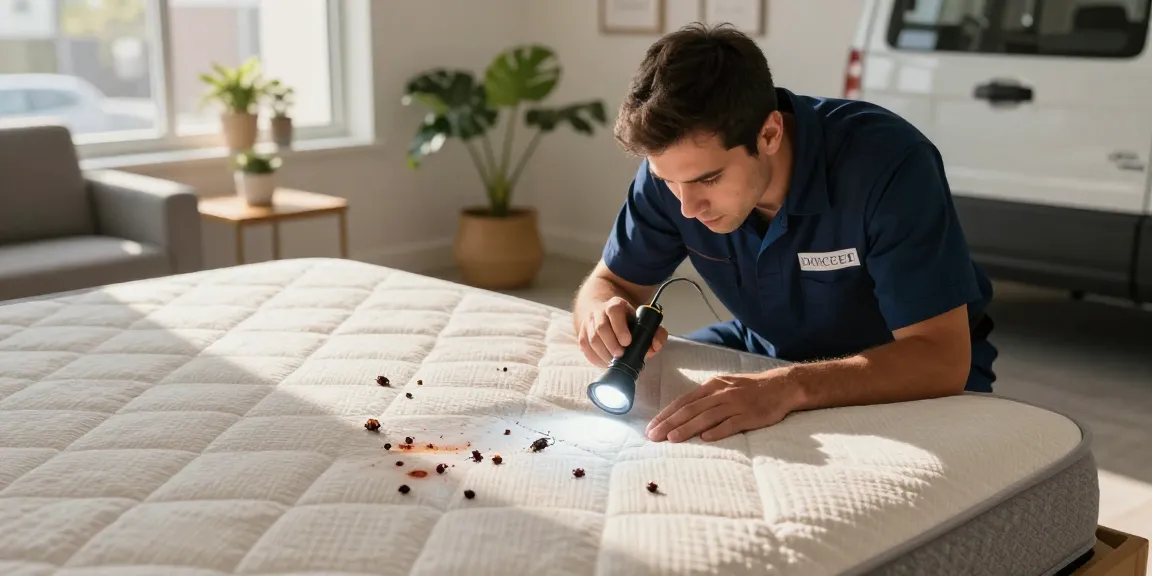
Identifying bed bugs promptly is key to managing an infestation. Common signs include:
- Visible Bugs: Adult bed bugs are often found lurking in seams of mattresses, furniture joints, and cracks in walls.
- Blood Stains: Small blood spots on sheets or upholstery are an indicator of bed bug activity.
- Dark Spots: Bed bug fecal matter appears as dark, inky stains on surfaces where they hide.
- Itchy Bites: Red, itchy welts on the skin, often in clusters or lines, can signal recent feeding.
How to Effectively Monitor for Bed Bugs
Regular monitoring is crucial for early detection of bed bugs. Residents should perform frequent inspections of their sleeping areas, checking mattresses, box springs, and headboards for any signs of bugs or their droppings. Additionally, being vigilant during travel and thoroughly inspecting luggage and hotel rooms can prevent bringing these pests home.
Importance of Professional Inspections
If there are signs of bed bugs but visual confirmation is difficult, engaging professional pest control experts can be invaluable. Trained technicians use various detection methods, including K9 inspections, where specially trained dogs sniff out bed bugs before they become a recognizable problem.
Choosing the Right Bed Bug Control Method
Comparison of Heat vs. Chemical Treatments
Two primary methods dominate the bed bug treatment landscape: heat treatment and chemical treatments. Heat treatment involves elevating the temperature of an infested area to levels that are lethal to bed bugs at all life stages. It is an effective and eco-friendly solution that minimizes the use of chemicals. Conversely, chemical treatments utilize insecticides that can remain effective for months, acting as a barrier to potential re-infestation. Understanding the benefits and limitations of each method can aid in selecting the best control option.
Pros and Cons of DIY Bed Bug Control Solutions
While some homeowners may turn to DIY solutions out of convenience or cost concerns, these methods often fall short when it comes to eliminating established infestations. While some non-toxic products may kill individual bugs, they typically lack the efficacy to reach all harboring locations. Additionally, improper application can lead to resistance among bed bug populations. In contrast, professional treatments ensure comprehensive coverage and long-term success.
Selecting Professional Pest Control Services
When choosing a pest control service, it is essential to assess their experience, especially in bed bug extermination. Look for companies that use integrated pest management (IPM) techniques and tailor treatments to specific situations. Always read customer reviews and seek recommendations from friends or family to find a trusted provider.
Implementing a Successful Bed Bug Treatment Plan
Preparation Steps Before Treatment
Before treatment begins, proper preparation is vital for ensuring its effectiveness. This includes:
- Decluttering rooms to provide clear access to treatment areas.
- Laundering all bedding and clothing in hot water.
- Removing items from floors and away from walls to facilitate thorough inspections.
Aftercare Strategies to Prevent Re-Infestation
After treatment, maintaining vigilance is key to preventing a re-infestation. Regular inspections, combined with the use of encasements for mattresses and box springs, can help safeguard against future problems. Additionally, continuing to monitor for signs and seeking immediate intervention at the first indication of a new infestation can help protect your home.
Long-Term Monitoring and Maintenance Tips
Establishing a long-term monitoring plan can significantly reduce the chances of bed bugs returning. Keeping an eye on frequently used items, such as luggage after travel, and maintaining a tidy living space can greatly aid in early detection and prevention.
Future Trends in Bed Bug Control
Innovative Technologies in Pest Control
As pest control technologies evolve, innovative solutions are emerging in the realm of bed bug management. From heat treatment systems that can be monitored remotely to advanced insecticides designed to target specific insects, these advancements promise more effective and efficient methods for controlling bed bug populations.
Eco-Friendly Bed Bug Treatment Options
With growing awareness of environmental concerns, eco-friendly bed bug control methods are gaining traction. Approaches that minimize chemical usage, such as steam treatments and heat applications, not only reduce environmental impact but also cater to health-conscious consumers.
Expected Changes in Pest Control Regulations
As the fight against bed bugs continues, regulatory changes are anticipated in pest control practices. Tighter regulations may mandate the use of more sustainable treatment options and emphasize the importance of integrated pest management techniques to ensure public safety and environmental health.
What are the most effective bed bug control methods?
Heat treatments and chemical sprays, particularly when used in combination, are among the most effective methods for controlling bed bug infestations. Professional pest control services can provide tailored solutions that consider the unique circumstances of each situation.
How can I prevent a bed bug infestation?
Preventing a bed bug infestation involves regular monitoring, being cautious while traveling, and maintaining cleanliness in your living spaces. It is essential to inspect second-hand furniture and bedding for signs of bed bugs before bringing them into your home.
Are DIY bed bug treatment methods effective?
While some DIY methods can help with minor issues, they are generally not effective against established infestations. Professional treatments are recommended for comprehensive control.
How do professionals ensure bed bug control?
Professionals utilize a combination of inspections, strategic treatment plans, and follow-up visits to ensure long-term bed bug control. They apply the latest techniques and products to achieve effective results.
How long does it take to eliminate bed bugs?
The timeline for eliminating bed bugs can vary depending on the severity of the infestation and the chosen treatment method. Generally, professional treatments can take a few hours, with noticeable results typically observed within days.