Understanding the Importance of Reading
Reading is a fundamental skill that serves as the cornerstone of personal and professional development. In an age where information is at our fingertips, the ability to effectively read and comprehend vast amounts of text has never been more crucial. Whether it's a book, a report, or digital content, the act of reading has a significant impact on our cognitive capabilities, emotional intelligence, and overall understanding of the world around us.
Why Reading Matters in Personal Development
Engaging with text not only enhances knowledge but also fosters critical thinking and self-reflection. Readers often gain insights into different perspectives, which can lead to personal growth. For instance, immersing oneself in biographies can inspire individuals to pursue their dreams, while self-help books provide strategies for overcoming personal challenges.
Impact of Reading on Cognitive Skills
Research shows that regular reading exercises the brain, improving memory and comprehension skills. It stimulates mental faculties, leading to better problem-solving capabilities. Furthermore, studies have indicated that readers often outperform non-readers in various cognitive tasks due to enhanced neural connections developed through the act of reading.
How Reading Enhances Empathy and Understanding
One of the most profound impacts of reading is its ability to foster empathy. By exploring diverse narratives and experiences through literature, individuals can better understand the feelings and emotions of others. This ability to empathize is crucial in today's interconnected world, promoting social awareness and compassion.
Types of Reading Materials and Their Benefits
With the ever-evolving landscape of reading materials, it's essential to understand the different types and their respective benefits. Each genre offers unique advantages that cater to various interests and learning styles.
Fiction vs. Non-Fiction: What to Choose?
Fiction opens doors to imagination, allowing readers to escape reality and explore different worlds. It nurtures creativity and enhances cultural awareness. On the other hand, non-fiction provides factual knowledge and insights into real-world issues. Readers can choose based on their objectives: whether seeking entertainment or pursuing knowledge.
The Rise of Digital Reading Platforms
Digital platforms have revolutionized how we consume written content. eBooks, online articles, and academic papers are more accessible than ever. This shift not only facilitates immediate access to information but also caters to the preference for portable materials. Readers can carry entire libraries on their devices, making it easier to engage with literature on the go.
How Audiobooks Are Changing the Reading Landscape
Audiobooks have emerged as a powerful medium, allowing individuals to consume literature during commutes, workouts, or household chores. This format expands the reading audience, making literature accessible to those with disabilities or those who find it challenging to dedicate time to traditional reading.
Effective Reading Techniques for 2026
As we look towards 2026, enhancing reading skills becomes increasingly important. With the information age overflowing with content, adopting effective reading techniques can enhance comprehension and retention.
Active Reading Strategies to Improve Comprehension
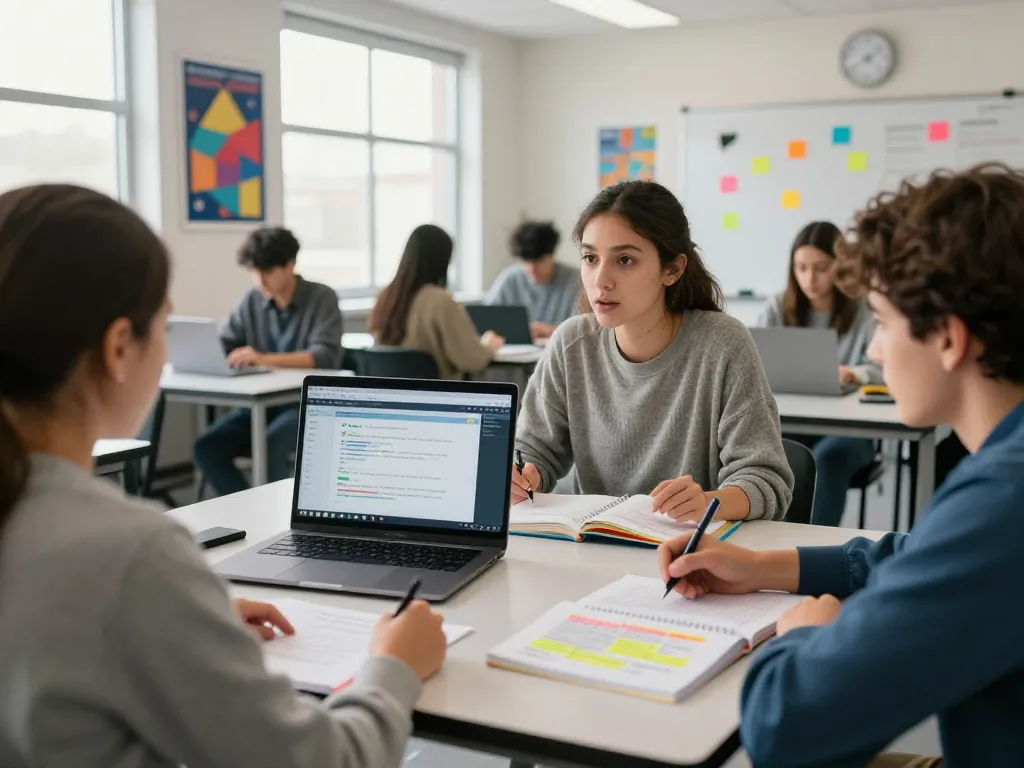
Active reading involves engaging with the text through note-taking, highlighting, and questioning. This approach helps readers retain information and encourages deeper analysis, ensuring they can apply what they've learned in real-world situations.
Using Technology to Enhance Your Reading Experience
Technology has introduced tools like reading apps, annotation software, and online discussion forums that can significantly enrich the reading experience. By using such tools, readers can share insights and explore topics collaboratively, creating a vibrant reading community.
Speed Reading: Techniques and Tools
With the increasing volume of information, speed reading has gained popularity. Techniques such as skimming, scanning, and using apps designed to enhance reading speed can help individuals process information quickly without sacrificing comprehension. Practicing these techniques allows individuals to handle reading more efficiently, especially in professional settings.
Addressing Common Reading Challenges
Despite the benefits, many individuals face challenges that hinder their reading habits. Recognizing and overcoming these obstacles is essential for developing a consistent reading practice.
Overcoming Distractions While Reading
In a world filled with distractions, maintaining focus while reading can be challenging. To combat this, create a reading environment free of interruptions. Setting specific reading times and using techniques like the Pomodoro Technique can enhance concentration.
Finding Time to Read in a Busy Schedule
Many individuals struggle to find time for reading amidst their busy lives. Incorporating reading into daily routines—such as listening to audiobooks during commutes or setting aside a few minutes before bed—can help establish a consistent reading habit.
Dealing with Information Overload in the Digital Age
With an overwhelming amount of content available online, individuals may feel paralyzed when choosing what to read. Prioritize quality over quantity by curating reading lists that align with personal interests and goals, allowing for a more focused and meaningful reading experience.
Future Trends in Reading and Learning
As we advance into the future, reading practices are likely to evolve in exciting ways. Understanding these trends can help readers prepare for and adapt to the changing landscape.
Predictions for Reading Habits in 2026
By 2026, we may see an increase in gamified reading experiences that engage users through interactive narratives and challenges. This could foster a new generation of readers who view reading as both educational and entertaining.
How Emerging Technologies Will Influence Reading
Artificial intelligence, virtual reality, and augmented reality will likely shape reading habits. AI could provide personalized reading recommendations, while VR and AR can create immersive reading experiences that enhance understanding and retention.
Community and Collaborative Reading Initiatives
As social media continues to influence our lives, community reading initiatives are likely to flourish. Book clubs and online forums foster discussions and shared learning, expanding the impact of each reading experience.
What is the best way to read for comprehension?
The best way to read for comprehension combines active reading strategies, such as summarizing content and questioning the material, with a distraction-free environment. This allows readers to fully engage with the text.
How can I develop a consistent reading habit?
To develop a consistent reading habit, set clear goals, designate specific reading times, and track your progress. Start with manageable chunks of content and gradually increase your reading duration as you become more comfortable.
What resources can help me improve my reading speed?
Numerous apps and websites offer exercises and techniques for improving reading speed, such as Spreeder or Blinkist. These resources can guide users in adopting faster reading practices while still retaining comprehension.
Are audiobooks as effective as reading printed books?
Audiobooks can be just as effective as reading printed books, depending on personal preferences and learning styles. Many studies suggest that comprehension levels are similar for both formats, making audiobooks an excellent alternative for those who prefer auditory learning.
How to select the right materials for different reading goals?
Selecting the right reading materials involves identifying personal objectives and interests. For knowledge acquisition, non-fiction is ideal, while fiction may be better suited for relaxation and creativity. Tailoring reading choices to specific goals enhances the overall experience.