Understanding Food Warmers: Essential for Every Kitchen
In the dynamic world of commercial kitchens, efficiency and food safety are paramount. Among the essential appliances that support these traits are food warmers, designed to keep dishes at ideal temperatures for serving. As culinary demands evolve and customer expectations rise, understanding how to select, maintain, and utilize food warmers is crucial for success in the hospitality industry. Moreover, when exploring options, Food Warmers emerge as a versatile solution, maintaining food quality and enhancing service speed.
What Are Food Warmers and How Do They Work?
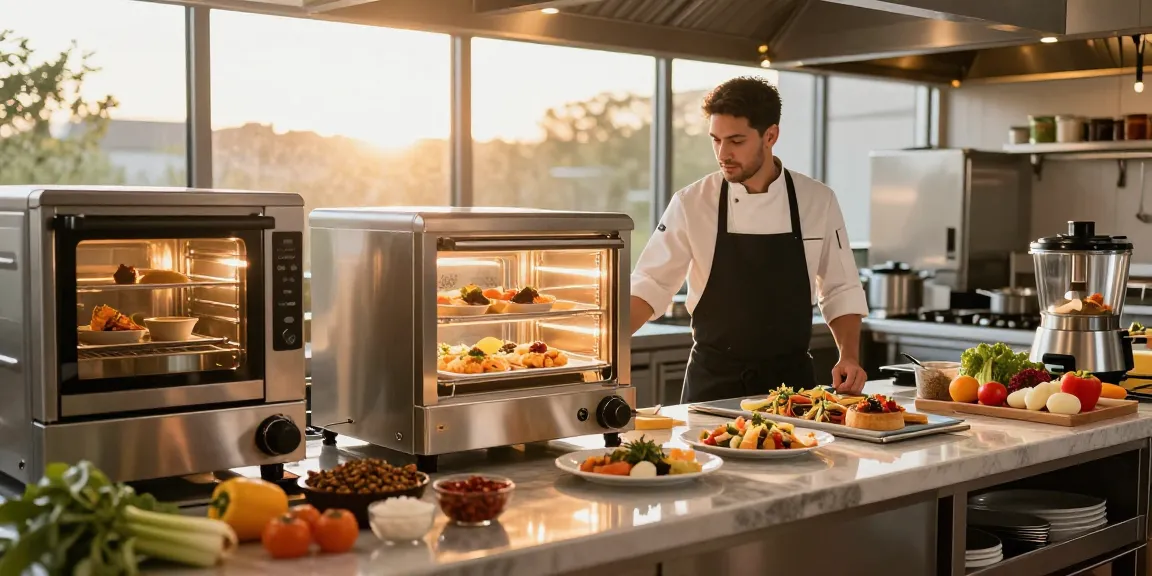
Food warmers are specialized kitchen appliances that maintain food at safely consumable temperatures, typically between 140°F (60°C) and 165°F (74°C). They utilize various heating methods, including electric coils, infrared heat, or even water baths, depending on the model and intended use. These units can range from simple warming drawers to complex heat lamp systems capable of serving large volumes of food efficiently.
Benefits of Using Food Warmers in Commercial Kitchens
Implementing food warmers in your culinary establishment offers numerous advantages:
- Temperature Control: Food warmers ensure consistent temperatures, preventing food from cooling down too quickly and maintaining its quality.
- Improved Service Speed: With food ready to serve at the optimal temperature, service is expedited, enhancing customer satisfaction.
- Food Safety Compliance: Keeping food within recommended temperature ranges minimizes the risk of foodborne illnesses.
- Efficiency in Operations: Food warmers allow kitchen staff to prepare dishes in advance, streamlining service during peak hours.
Energy Efficiency and Cost Savings with Modern Food Warmers
Modern food warmers are designed with energy efficiency in mind. Many models incorporate advanced technology to reduce electricity consumption without sacrificing performance. For example, adjustable thermostats allow operators to set the optimum working temperature, which can save on energy costs. Moreover, utilizing energy-efficient appliances can often lead to long-term savings, making them a wise investment for any commercial kitchen.
Types of Food Warmers: Choosing the Right Equipment
As you navigate the market for food warmers, it’s crucial to understand the various options available and how they align with your operational needs.
Comparison of Electric vs. Gas Food Warmers
Electric food warmers are generally easier to install and require less maintenance than gas counterparts. They heat food quickly and maintain consistent temperatures, making them ideal for most kitchen settings. Conversely, gas food warmers may offer faster heating times and are often more suitable for high-capacity kitchens where speed is essential. Understanding your kitchen's energy supply, along with your typical service volume, will help determine the best option for your establishment.
Portable vs. Stationary Food Warmers: Which is Best?
Portable food warmers offer flexibility, allowing quick relocation within the kitchen or outside for catering events. They are perfect for small establishments or those with varying service requirements. Stationary food warmers, on the other hand, are typically more robust and can maintain higher volumes of food, making them a better choice for busy kitchens with steady output. Assessing your kitchen's layout and service model is key to making the right choice.
Innovative Features to Look For in 2026
The landscape of commercial kitchen equipment is changing rapidly. When looking for food warmers, consider features such as:
- Smart Controls: IoT-enabled appliances allow for remote monitoring and management, enhancing efficiency.
- Programmable Settings: These features enable chefs to set specific warming times and temperatures, ensuring food safety and quality.
- Energy Monitoring: Integrated energy consumption trackers help in managing costs effectively.
Best Practices for Using Food Warmers in Your Kitchen
To maximize the utility and lifespan of food warmers, following best practices is imperative.
Optimal Temperature Settings for Different Dishes
Different foods have varying optimal temperature requirements. For instance, soups and stews should be held at around 165°F (74°C), while cooked meats can be maintained at slightly lower temperatures of about 145°F (63°C). Regularly check and calibrate temperature settings to ensure compliance with food safety guidelines.
Maintenance Tips for Longevity and Efficiency
Routine maintenance is essential for the longevity of any food warmer. Regularly clean the heating elements and surfaces to prevent grease buildup, which can affect performance. Additionally, conduct periodic checks of thermostat accuracy and connections to prevent malfunctions during busy service periods.
Common Mistakes to Avoid When Using Food Warmers
Some common pitfalls to avoid include:
- Overcrowding the Unit: This can lead to uneven heating and temperature drops.
- Ignoring Temperature Checks: Regular monitoring is vital to ensure food stays within safe limits.
- Neglecting Cleaning Protocols: Dirty appliances can lead to contamination and health risks.
Food Safety and Compliance: Staying Ahead in 2026
As regulations get stricter and consumer awareness increases, food safety compliance becomes more critical for commercial kitchens.
Regulatory Standards for Food Warmers in Commercial Kitchens
Each region has its food safety standards and regulations that govern the operation of commercial food equipment. Familiarize yourself with local health department regulations, which often cover temperature controls, sanitation practices, and maintenance of food warmers to ensure compliance and avoid penalties.
Hygiene Practices When Using Food Warmers
Maintaining hygiene is vital. Staff should adhere to strict handwashing protocols before handling food. Regular sterilization of the warmer’s surfaces and using dedicated utensils for serving can help prevent cross-contamination.
How to Ensure Food Safety During Service
Implementing a systematic approach to food service—such as using color-coded containers for different food types and ensuring proper labeling—can greatly reduce the risk of foodborne illnesses. Additionally, training staff in safe serving practices will help maintain food integrity and customer trust.
Future Trends for Food Warmers and Kitchen Equipment
As we look toward the future, several trends are emerging in the kitchen equipment space, particularly in food warmers.
Emerging Technologies Impacting Food Warmer Efficiency
Advances in technology are continuously reshaping how food warmers operate. Innovations such as integrated sensors for real-time temperature monitoring and predictive analytics for maintenance schedules are becoming more prevalent, driving efficiency and reliability.
Predictions for Food Warmer Innovations by 2026
We anticipate seeing more eco-friendly materials and energy-efficient designs in food warmers. The growing trend toward sustainability in the culinary industry will likely lead manufacturers to focus on creating appliances that minimize energy use while maximizing functionality.
How to Integrate IoT and Smart Solutions in Your Kitchen
Integrating IoT solutions can streamline operations significantly. By connecting food warmers to kitchen management software, you can track usage patterns and food storage data, ensuring that you always operate at peak efficiency.
What Are the Best Food Warmer Options for Home Chefs?
For home chefs, compact electric food warmers are highly recommended, providing versatility without taking up excessive kitchen space. Look for models that offer adjustable temperature settings and are easy to clean for optimal convenience.
Are Food Warmers Energy Efficient Compared to Traditional Methods?
Yes, food warmers are generally more energy-efficient than traditional heating methods such as stovetops or conventional ovens. Their targeted heat application ensures minimal energy waste, particularly when maintaining temperatures for extended periods.
How Can Food Warmers Enhance Service Efficiency in Restaurants?
By allowing food to be held at proper serving temperatures, food warmers can enhance the overall service speed and efficiency in restaurants. This capability enables kitchens to prepare food in advance, thus reducing wait times and improving customer satisfaction.
What Maintenance is Required for Different Types of Food Warmers?
Maintenance needs can vary based on the type of food warmer. Electric models typically require less upkeep, focusing primarily on cleaning and occasional checks of electrical components, while gas models may require more extensive servicing to ensure safe operation. Always refer to the manufacturer’s guidelines for specific maintenance recommendations.
What Features Should You Consider When Buying a Food Warmer?
Look for key features such as energy efficiency, ease of cleaning, size, and capacity, as well as additional functionalities like adjustable shelves or integrated timers. Additionally, consider the type of food you'll be storing—some warmers are better suited for large quantities, while others excel in maintaining small batch quality.