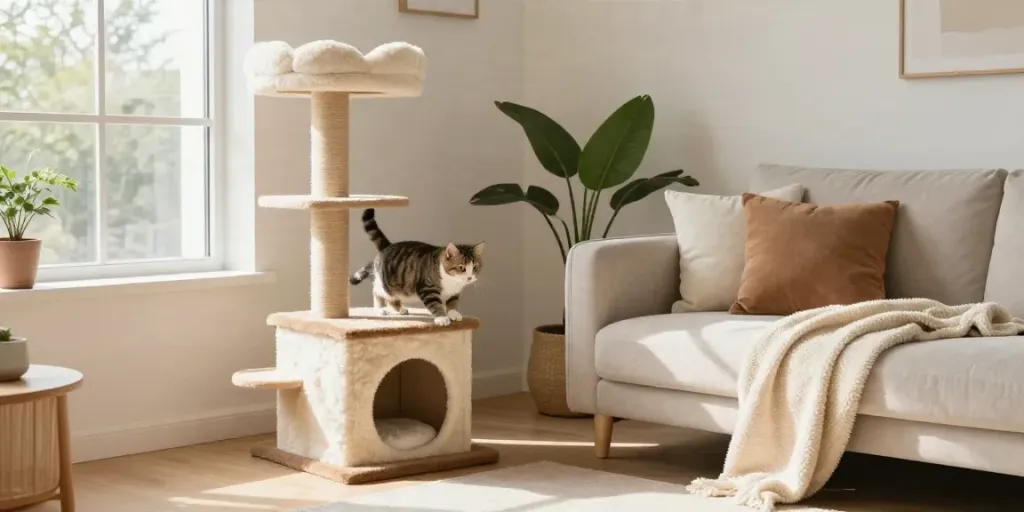
Understanding the Importance of a Cat Tree
When it comes to providing a happy and healthy environment for your feline friends, cat trees play a crucial role. These multi-level structures not only serve as play areas but also as spaces for relaxation and exploration. By understanding the importance of a cat tree, you can ensure your cat has a designated space that caters to its instincts and provides mental and physical stimulation.
Among the many options available in the market, a cat tree stands out for its versatility. Designed to mimic the natural environment of cats, a cat tree often includes features like scratching posts, perches, and cozy hiding spots. These features cater to various aspects of a cat's nature, from climbing and scratching to napping and playing.
Why Every Cat Needs a Cat Tree
Just like humans, cats require their own space to feel safe and secure. A cat tree provides that essential sanctuary, allowing your feline friend to establish territory in your home. This sense of ownership can reduce anxiety and behavioral issues, leading to a happier cat. Furthermore, a cat tree can help minimize destructive behavior by giving cats an outlet for their natural scratching and climbing instincts.
Benefits of a Multi-Level Cat Tree for Your Feline
- Encourages Exercise: Cats are natural climbers and love to explore vertical spaces. A multi-level cat tree provides them with the opportunity to climb, jump, and play, promoting exercise that is vital for their health.
- Reduces Stress: Having their own space can lower a cat's stress levels. A cat tree enables them to retreat to a safe haven whenever they feel overwhelmed.
- Scratching Opportunities: Most cat trees feature sisal-wrapped scratching posts, which satisfy a cat's urge to scratch while protecting your furniture from damage.
- Interactive Play: Many modern cat trees come with attached toys and platforms that encourage play, helping to keep your cat mentally stimulated.
Debunking Myths About Cat Trees
There are several misconceptions surrounding cat trees. One common myth is that they are only for high-energy cats. However, every cat, regardless of age or energy level, can benefit from having a dedicated space to relax and play. Another misconception is that cat trees are too bulky for small spaces. In reality, many compact designs offer the same features without taking up excessive room.
Choosing the Right Cat Tree for Your Home
Knowing the different types of cat trees available and understanding your cat's needs is essential for making an informed choice. Selecting the right cat tree can enhance your home's aesthetic while providing your feline companion with a perfect playground.
Factors to Consider When Buying a Cat Tree
- Size of Your Cat: Consider your cat's size and breed when purchasing a cat tree. Larger cats may require sturdier structures for stability.
- Available Space: Measure the space where you plan to put the cat tree. There are many compact designs that fit into smaller areas.
- Materials Used: Look for durable materials that can withstand scratching and rough play. Solid wood construction is typically more durable than particleboard.
- Features: Consider what features your cat would enjoy like ramps, perches, or hiding areas.
Popular Styles and Designs: Which Cat Tree is Best?
Cat trees come in various styles, from traditional multi-level towers to modern, minimalist designs. Some may even resemble furniture, blending seamlessly with your home decor. The best choice ultimately depends on your cat's preferences and your aesthetic preference. Popular styles include:
- Classic Multi-Level Trees: These usually feature multiple platforms and scratching posts, perfect for active cats.
- Wall-Mounted Trees: Ideal for limited spaces, they provide vertical climbing options without taking up floor space.
- Designer Cat Trees: These are often stylish and made from high-quality materials, catering to design-conscious pet owners.
Cat Trees for Different Breeds and Sizes
It is important to consider that not all cat trees are created equal. Different breeds have varying needs. For instance:
- Large Breeds: Maine Coons and Ragdolls require sturdier construction to support their weight.
- Active Cats: Abyssinians and Bengals benefit from tall trees with multiple scratching posts and lookout points.
- Senior Cats: Older cats may need low-profile trees with easy access and soft surfaces for comfort.
Common Issues with Cat Trees
Even the best cat trees can encounter issues over time. Understanding common problems helps in maintenance and ensures longevity.
Identifying Structural Problems
Inspect your cat tree regularly for signs of wear and tear. Loose screws or wobbly platforms can pose safety risks. Addressing these issues immediately can prevent accidents and prolong the lifespan of the tree.
Dealing with Scratching and Wear
Scratching is a natural behavior in cats, but it can result in damaged features on your cat tree. To mitigate this, provide additional scratching posts nearby and encourage their use. Replacing sisal rope or carpet on the tree can also help maintain its appeal.
Maintenance Tips for Longevity
Regular cleaning of your cat tree is essential. Vacuum the surfaces to remove hair and dust, and consider washing removable covers if applicable. Inspect your cat tree for any damage, and tighten any loose parts to ensure it remains stable and safe for your cat.
Creative Ways to Enhance Your Cat Tree
Enhancing your cat tree can improve its functionality and appeal to your feline friend. Here are some creative ideas:
Adding Features: What to Include
- Toys: Attach interactive toys to various levels to keep your cat engaged.
- Soft Bedding: Adding cushions or blankets can make the napping areas more appealing.
- Hideaways: Incorporate enclosed spaces where your cat can retreat for privacy.
DIY Modifications for Unique Cat Trees
If you're handy, consider customizing your cat tree. Adding additional perches, painting the structure, or covering it with different materials can make your cat tree unique to your home. Ensure that any modifications are safe and sturdy enough for your cat.
Integrating Cat Trees into Your Home Decor
Choose cat trees that complement your interior design. Look for colors and materials that match your furniture, or opt for a designer cat tree that adds a touch of elegance to your living space.
The Future of Cat Trees: Trends for 2026 and Beyond
The world of cat furniture is constantly evolving, and staying informed about upcoming trends can help you make the best choices for your home.
Innovative Designs and Features to Watch For
Expect to see more modular designs that allow for customization and expansion. Such designs let you adapt the cat tree to suit your cat's preferences and your space as their needs evolve.
Eco-Friendly Materials in Cat Tree Production
More manufacturers are focusing on sustainability, using eco-friendly materials in production. This trend ensures that your choice of pet furniture is safe not only for your cat but also for the planet.
Predicting the Next Big Trends in Cat Furniture
With increasing awareness of animal welfare and interior design, future trends may include multifunctional pieces that blend seamlessly into home environments while still catering to a cat's natural instincts. Innovations such as interactive technology integrated into cat trees are also on the horizon, promising to engage cats even further.